OBT
- By Obert
- Jun 18 2026
Catalytic Converter Function and Emission Control Explained
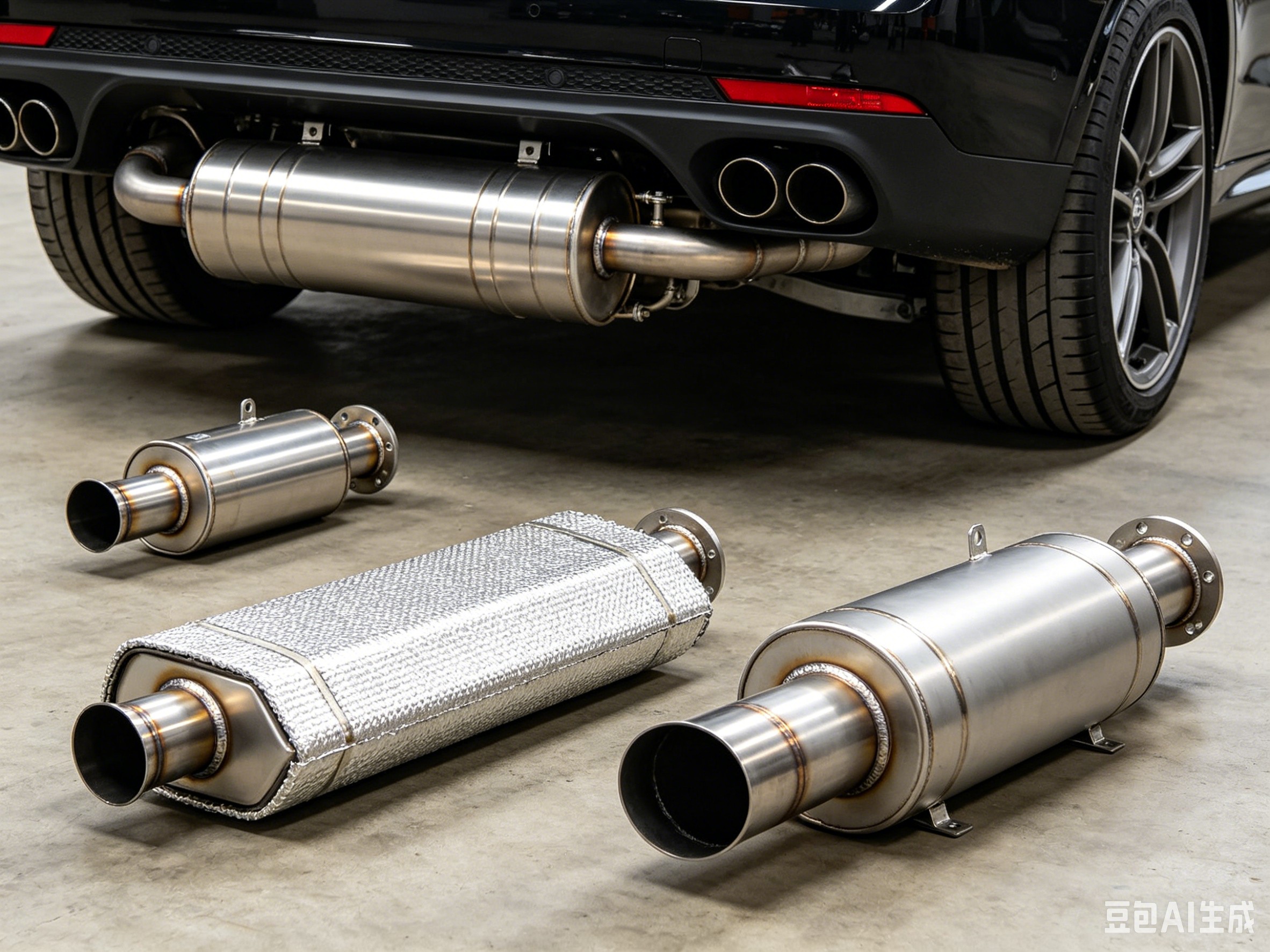
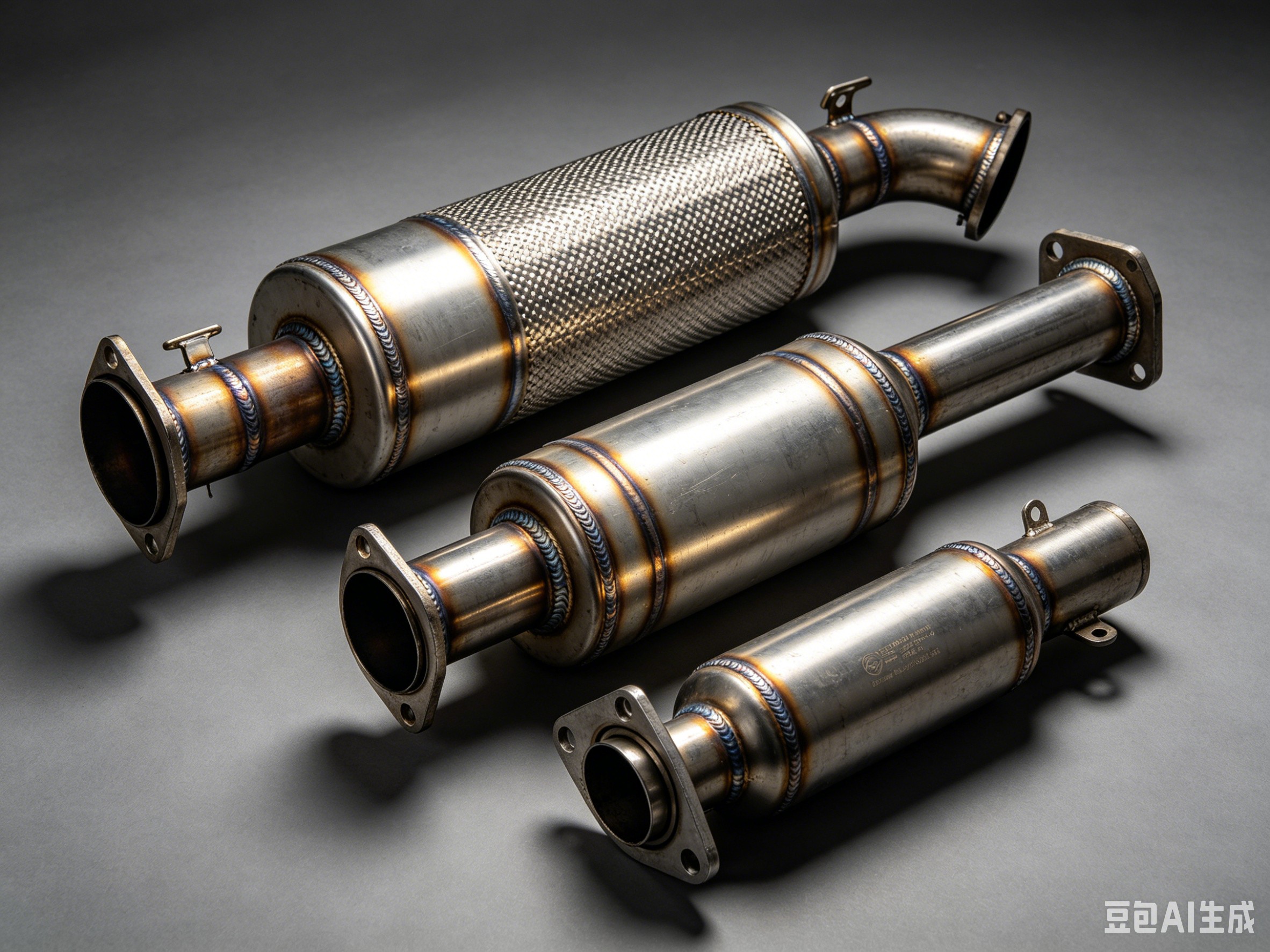
A catalytic converter is a key component in modern automotive exhaust systems. Its main function is to reduce harmful emissions produced by the engine and help vehicles meet strict environmental regulations.
Understanding the catalytic converter function is important for OEM manufacturers, automotive engineers, and global buyers in the exhaust system industry.
Main Function of a Catalytic Converter
During engine combustion, harmful gases such as carbon monoxide, hydrocarbons, and nitrogen oxides are produced. These gases cannot be released directly into the atmosphere.
The catalytic converter reduces these pollutants by converting them into less harmful substances through chemical reactions.
It transforms:
Carbon monoxide (CO) into carbon dioxide (CO₂)
Hydrocarbons (HC) into water (H₂O)
Nitrogen oxides (NOx) into nitrogen (N₂)
This process is essential for modern car emissions reduction systems.
How a Catalytic Converter Works
Inside the catalytic converter, there is a ceramic or metallic substrate coated with precious metals such as platinum, palladium, and rhodium.
When exhaust gases pass through the converter, these materials trigger chemical reactions that neutralize harmful substances.
This process happens continuously while the engine is running, making it an important part of real-time emission control.
Types of Catalytic Converters
Different vehicles use different types of catalytic converters depending on engine type and emission requirements.
Common types include:
Three-way catalytic converter (gasoline engines)
Diesel oxidation catalyst (diesel engines)
Universal catalytic converter (aftermarket applications)
Each type is designed for specific performance and emission standards.
Role in Emission Standards
Modern vehicles must comply with strict regulations such as Euro 5 and Euro 6 standards.
The catalytic converter is one of the most important components in achieving compliance. Without it, vehicles would not meet international environmental requirements.
Many buyers searching for Euro 6 catalytic converter suppliers are looking for OEM manufacturers with stable production capability and quality control systems.
Manufacturing Considerations
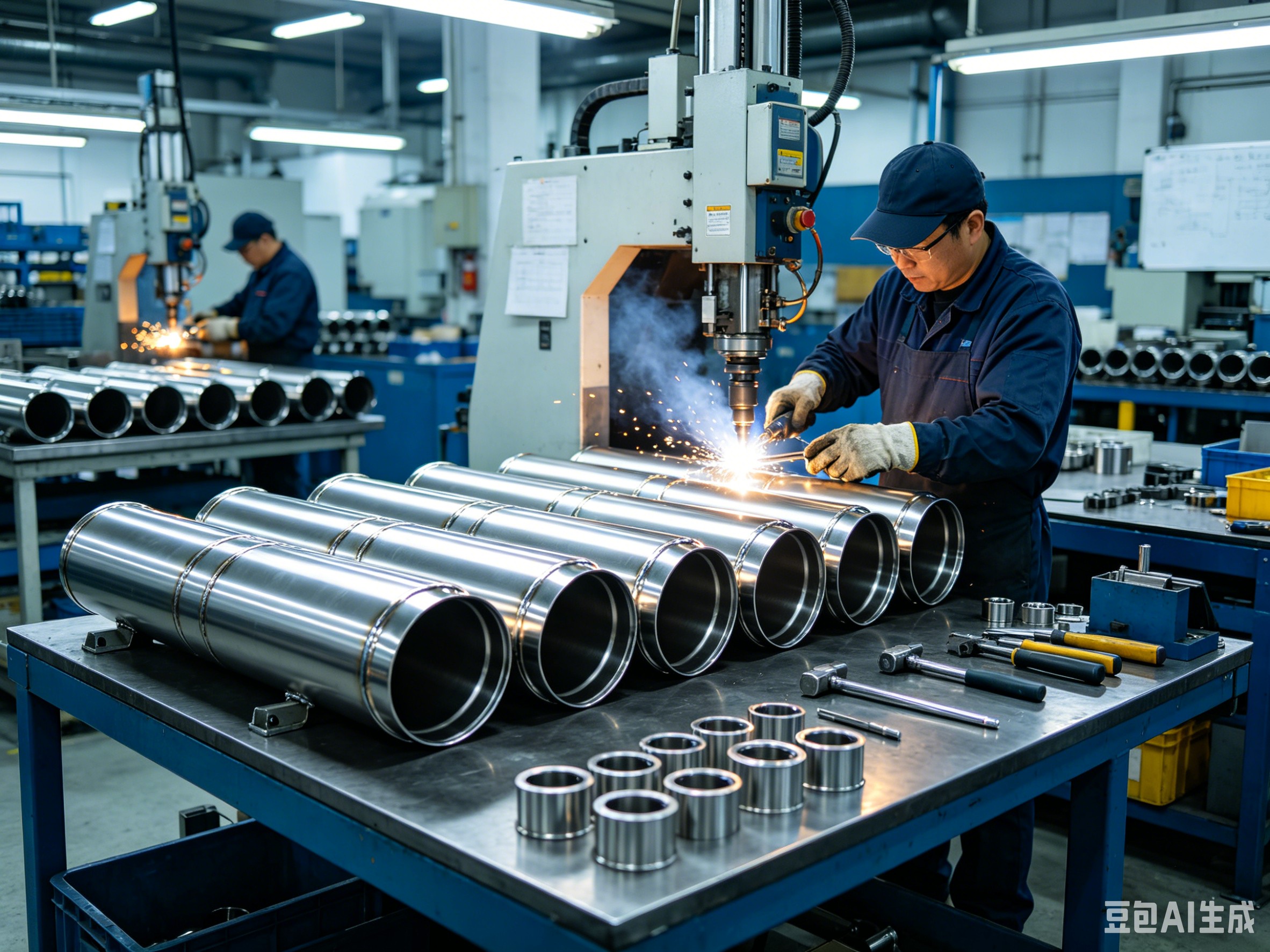
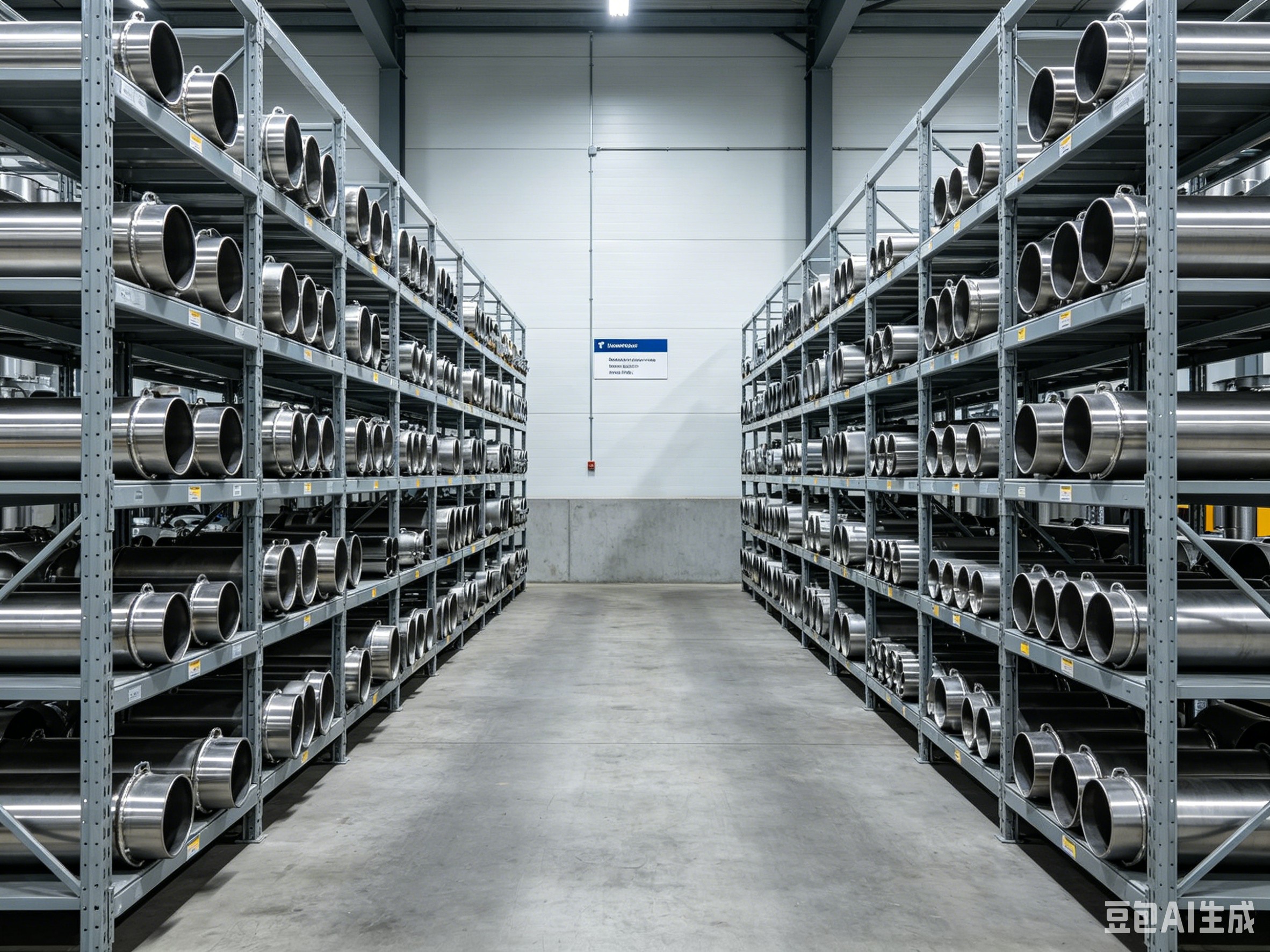
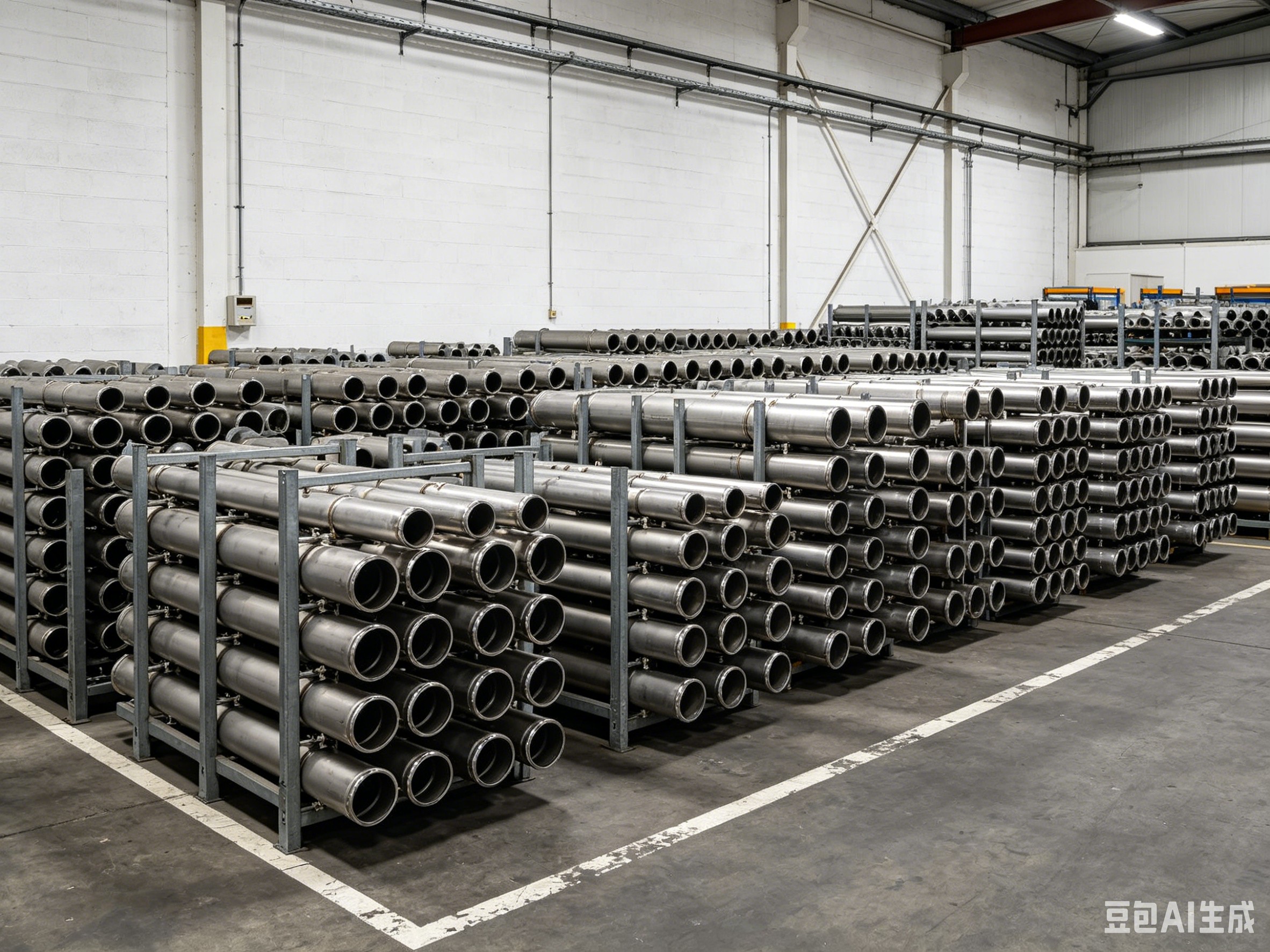
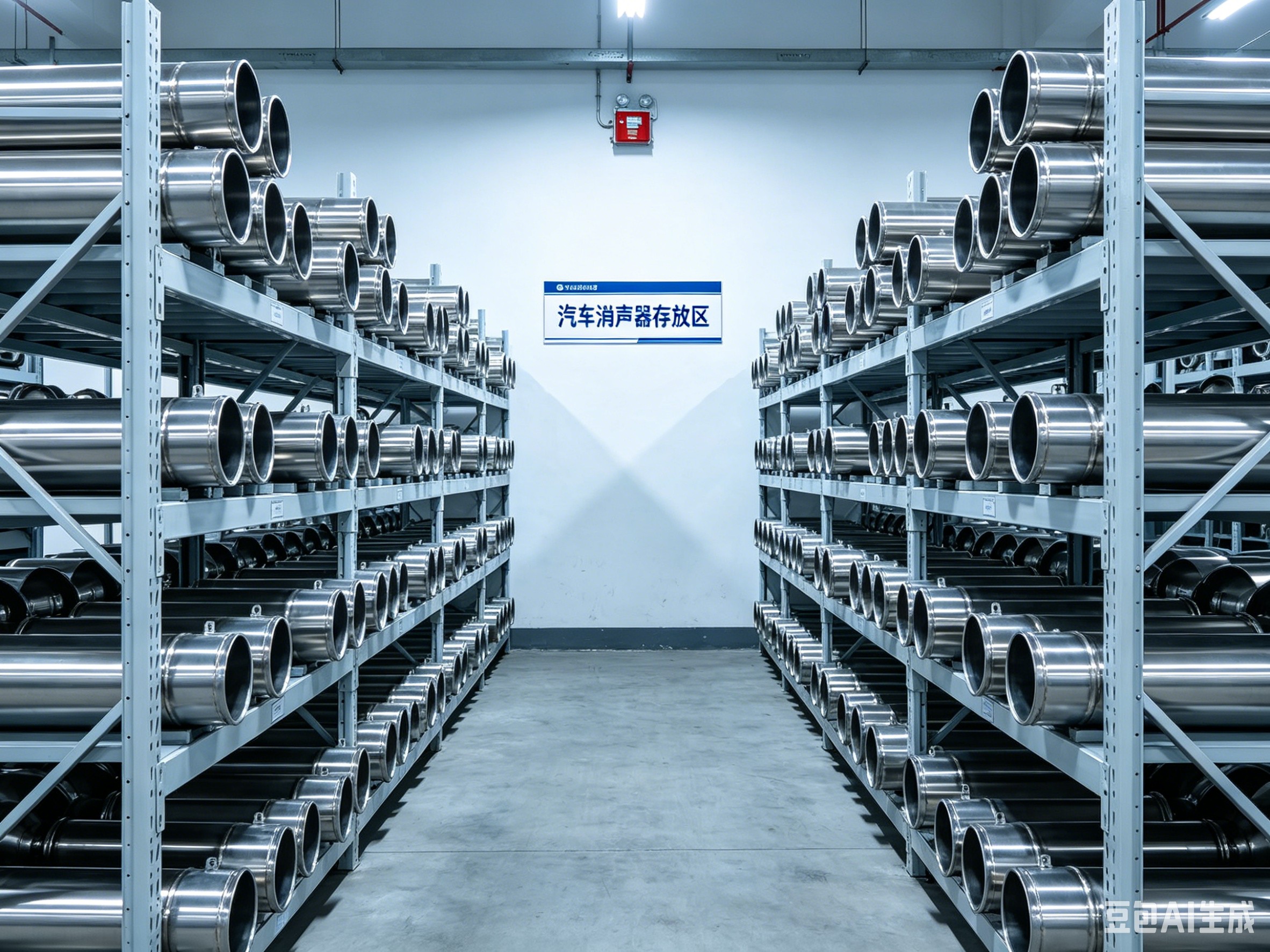
Catalytic converters must be manufactured with high precision to ensure durability and performance.
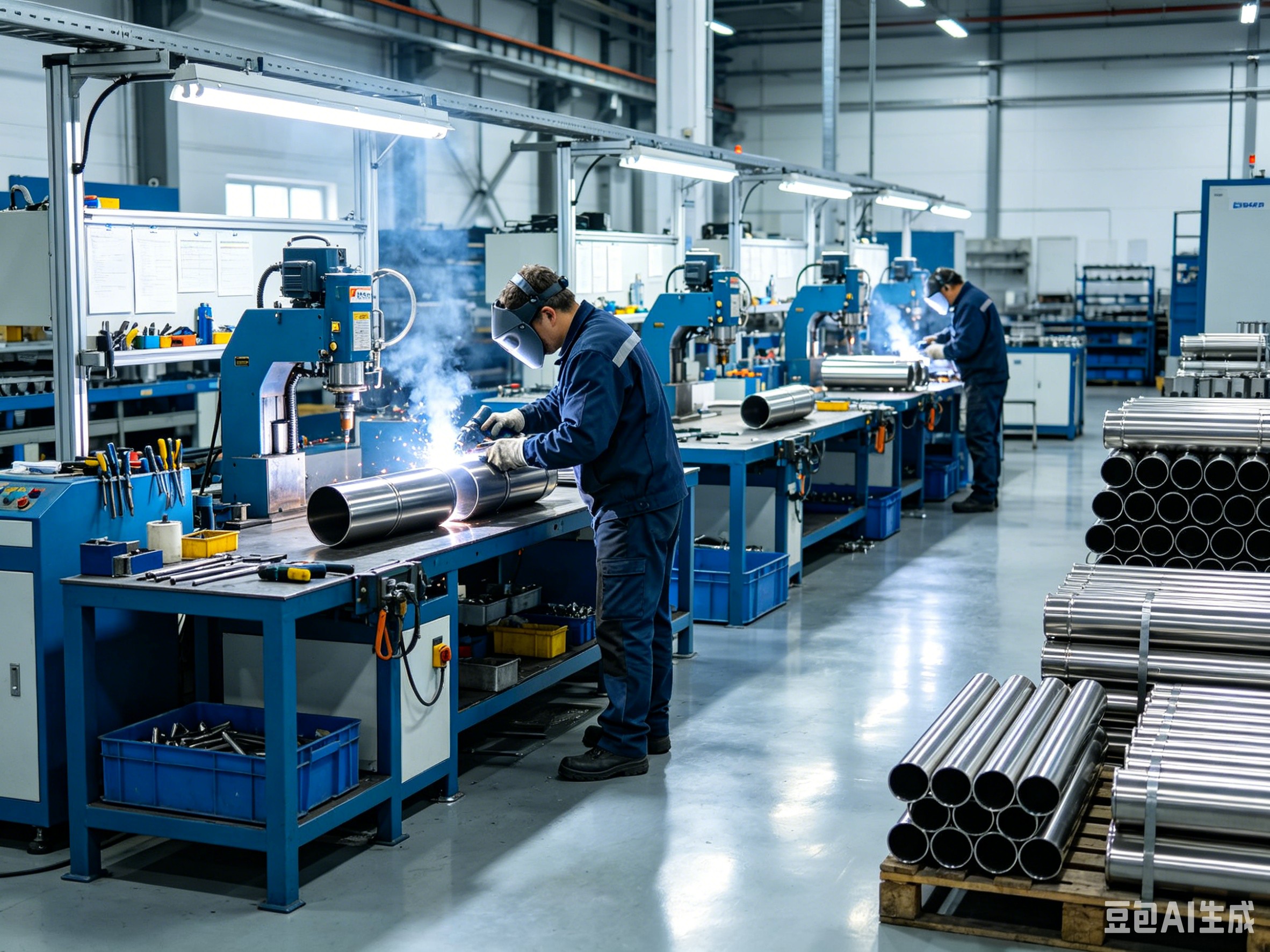
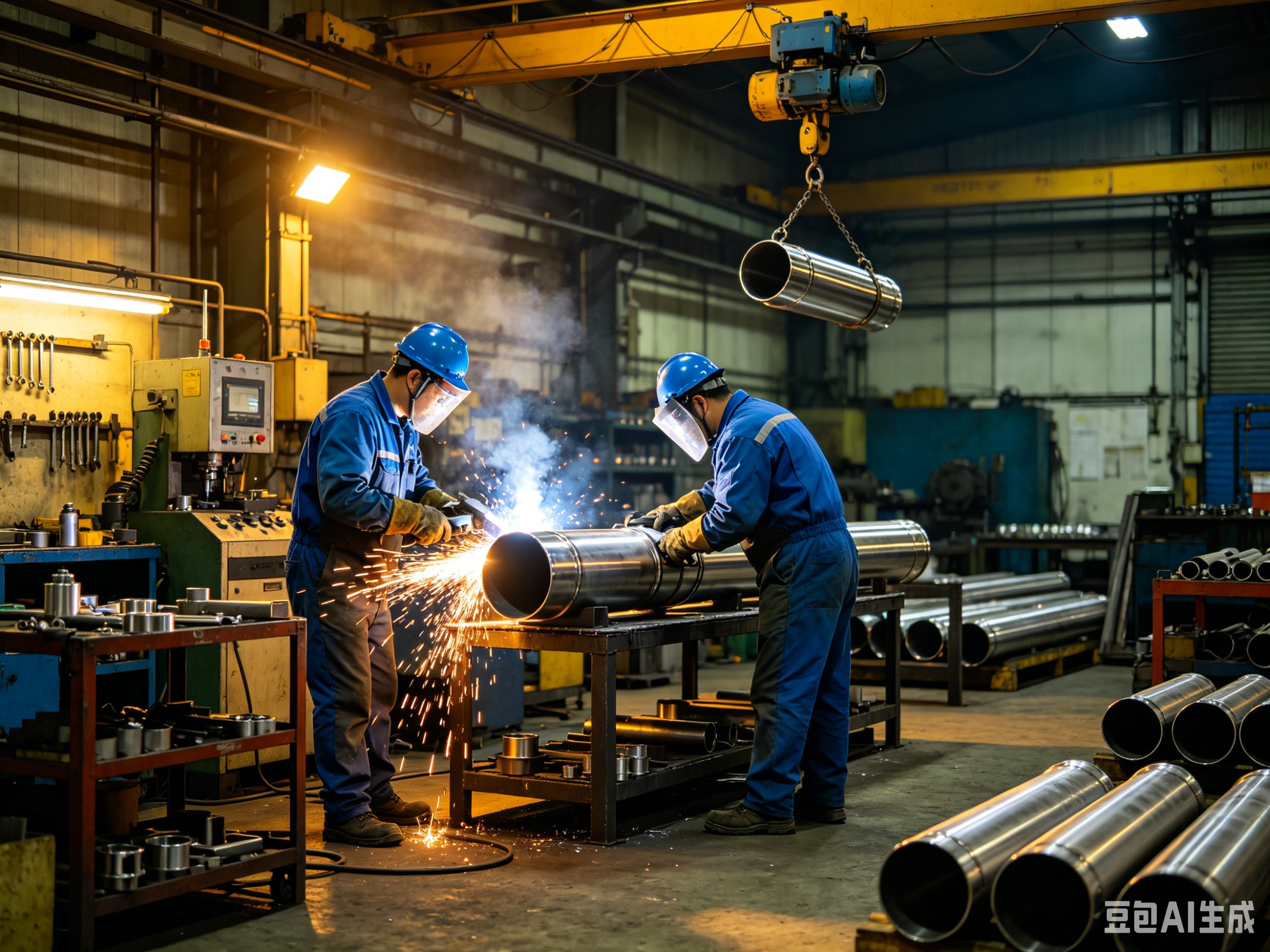
Common materials include stainless steel housings and high-temperature resistant substrates. Production processes involve stamping, welding, and assembly under strict quality control.
Consistency and reliability are critical for OEM automotive supply chains.
Conclusion
The catalytic converter plays a vital role in reducing vehicle emissions and ensuring compliance with global environmental standards. It is a key component in modern exhaust systems and essential for sustainable automotive development.
Shandong Obert Machinery Technology Co., Ltd. provides OEM catalytic converters and exhaust system components for global automotive customers with strong manufacturing capability and quality assurance.
Shandong Obert Machinery Technology Co., Ltd. specializes in automotive exhaust systems and related metal parts. We manufacture mufflers, catalytic converters, exhaust pipes, and stamped components, and provide OEM & ODM services for commercial vehicle manufacturers with customized engineering solutions.