OBT
- By obert-2
- Oct 12 2026
How to Choose a Generator Set Muffler: A Practical Guide for B2B Buyers
A generator set muffler plays an important role in controlling exhaust noise and supporting the reliable operation of diesel and gas generator systems. For equipment manufacturers, power generation companies, distributors, and industrial buyers, selecting the right generator set muffler requires more than comparing dimensions and prices. The muffler must match the engine's exhaust characteristics, installation environment, noise control requirements, and long-term operating conditions.
For B2B buyers sourcing generator exhaust components, understanding these factors helps reduce compatibility issues, simplify installation, and improve purchasing decisions. This guide explains the key considerations when selecting a generator set muffler and how working with an experienced manufacturer can support customized exhaust solutions.
Understand the Main Functions of a Generator Set Muffler
A generator set muffler is designed primarily to reduce exhaust noise produced by combustion and the movement of exhaust gases through the engine system. Depending on its internal construction, a muffler can attenuate different sound frequencies by using expansion chambers, perforated tubes, acoustic packing, or a combination of these structures.
The appropriate design depends on the generator's engine type, rated power, exhaust flow, and intended application. A muffler for a residential standby generator may have different noise control requirements from one installed on an industrial generator operating continuously in a factory or power station.
It is also important to distinguish exhaust noise reduction from overall generator noise control. A muffler addresses noise transmitted through the exhaust system, while mechanical vibration, cooling fans, engine surfaces, and other components can generate additional noise.
For procurement teams, clearly defining the required noise control performance helps manufacturers recommend a suitable design rather than an unnecessarily large or expensive product.
Match the Muffler to the Generator's Exhaust Requirements
Compatibility is one of the most important factors in generator set muffler selection. Even a well-manufactured muffler may perform poorly if its flow capacity or connection dimensions do not match the engine.
Before requesting a quotation, buyers should collect the following technical information:
Engine manufacturer and model
Generator rated power and operating conditions
Exhaust gas flow rate and temperature, where available
Exhaust pipe diameter and connection type
Available installation space and mounting position
Required noise attenuation level
Maximum allowable exhaust back pressure specified by the engine manufacturer
Exhaust back pressure deserves particular attention. Excessive resistance in the exhaust system can affect engine performance, fuel consumption, and operating temperature. The muffler, connecting pipes, bends, and other exhaust components should therefore be evaluated as part of the complete system.
When comparing different generator exhaust mufflers, buyers should review available pressure-drop data and confirm that the proposed configuration remains within the engine manufacturer's limits. Choosing a muffler based on noise reduction alone may create avoidable engineering problems later.
Select Materials for Operating Conditions
Material selection directly affects the durability, corrosion resistance, and service life of a generator set muffler.
Carbon steel is commonly considered for cost-sensitive applications where operating conditions and environmental exposure are manageable. It can be a practical choice for many standard industrial generator installations.
Stainless steel may be more suitable when improved corrosion resistance is required, particularly in humid environments, coastal locations, or applications involving demanding temperature conditions. The appropriate stainless steel grade should be selected according to the actual operating environment and project specifications.
Material thickness, weld quality, internal construction, and surface treatment also influence product durability. A corrosion-resistant material alone does not guarantee a long service life if the muffler is poorly designed or manufactured.
Buyers should consider expected operating hours, exhaust temperature, exposure to moisture, and maintenance accessibility before selecting a material. For large-volume orders, discussing material requirements with the manufacturer can help balance initial purchasing costs against expected service life.
Choose the Right Muffler Structure and Noise Control Level
Generator set mufflers are available in different configurations, including chamber-type, absorptive, and combination designs.
Chamber-type mufflers use changes in internal passage geometry to reflect and reduce sound energy. Their performance depends on chamber dimensions, internal arrangements, and the frequencies that need to be attenuated.
Absorptive designs use sound-absorbing materials to reduce acoustic energy as exhaust gases pass through the muffler. Their suitability depends on temperature limits, material durability, and the specific acoustic requirements of the application.
Combination designs integrate multiple noise reduction mechanisms to address a broader range of operating frequencies.
For B2B projects, the correct structure should be determined by the generator's actual requirements rather than by product appearance or size alone. Buyers should communicate whether the equipment will operate in residential areas, commercial buildings, construction sites, factories, or remote power installations.
Where noise limits are specified by a project owner, request relevant test data or confirm whether performance testing is required. Actual results depend on the engine, exhaust piping, installation conditions, and measurement method.
Consider Installation, Mounting, and Maintenance
A suitable generator exhaust muffler must fit the available space and connect properly to the existing exhaust system.
Before approving a design, confirm the inlet and outlet diameters, flange dimensions, connection orientation, overall length, mounting brackets, and clearance from surrounding equipment. Allowance should also be made for thermal expansion and the movement of connected exhaust pipes during operation.
Outdoor installations may require additional consideration of rain protection, drainage, corrosion exposure, and the direction of the exhaust outlet. The complete installation should also comply with applicable requirements for hot surfaces, exhaust gas discharge, and operator safety.
Maintenance requirements should be discussed before purchasing. Depending on the design and operating environment, inspections may include checking welds, connections, mounting supports, corrosion, and signs of leakage or abnormal vibration.
Accessible installation points and replaceable components, where applicable, can simplify maintenance over the equipment's working life. Following the generator manufacturer's inspection recommendations helps buyers establish an appropriate maintenance schedule.
Why OEM Customization Matters for Generator Manufacturers
Standard generator set mufflers can meet many common requirements, but OEM and ODM customization may be necessary when equipment manufacturers use different engine platforms, enclosure layouts, or exhaust configurations.
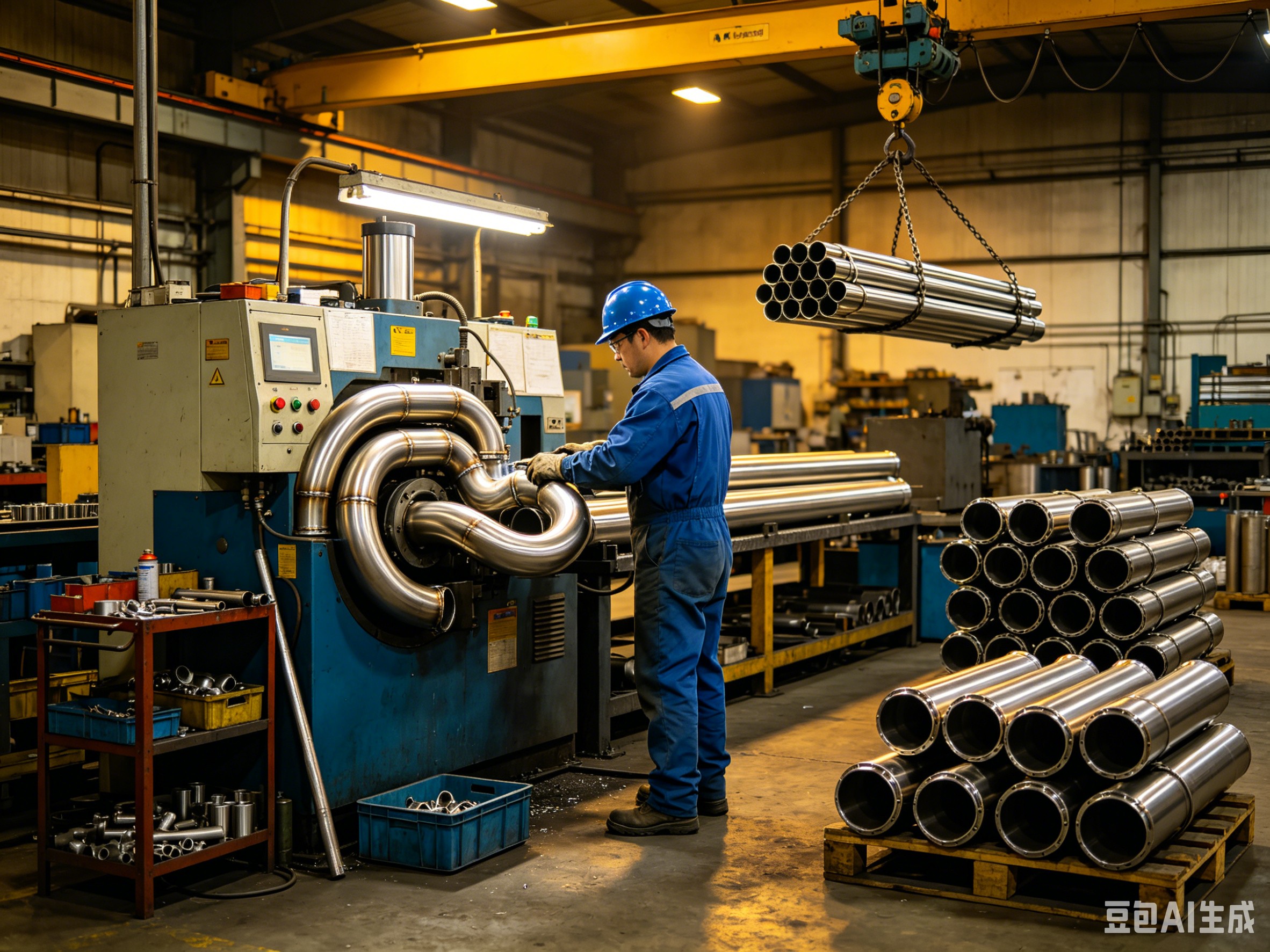
A custom generator muffler can be developed around specified dimensions, inlet and outlet positions, mounting arrangements, material requirements, and surface finishes. Depending on the project, manufacturers may also assist with internal structure optimization and exhaust system component integration.
To improve the efficiency of the quotation and development process, buyers should provide technical drawings, reference samples, installation photographs, or dimensional specifications whenever possible. Information about annual demand, target pricing, inspection requirements, and packaging preferences is also useful for evaluating a supply proposal.
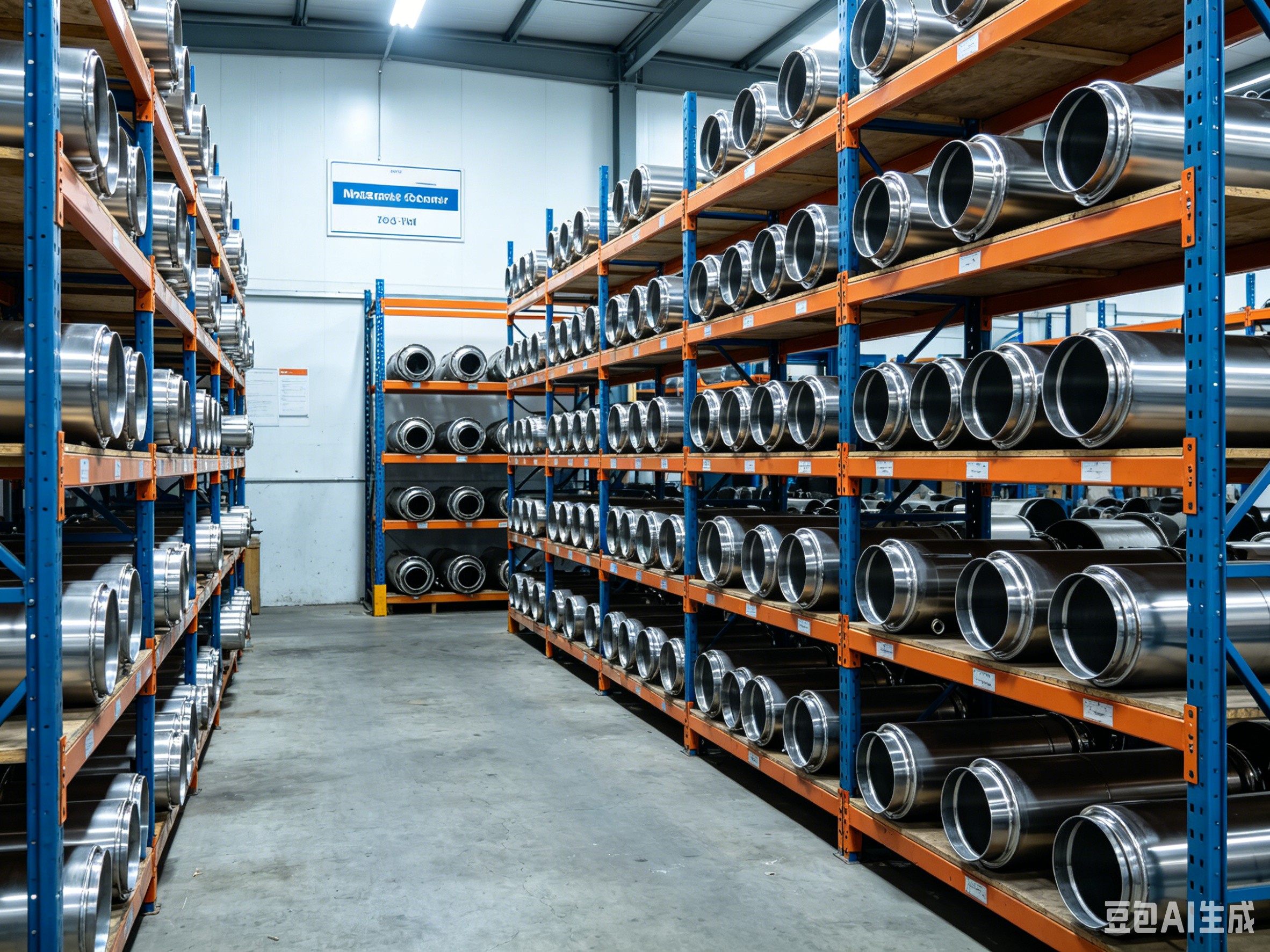
For distributors and importers, consistent product specifications and repeatable manufacturing quality are particularly important when placing recurring orders. Discussing inspection procedures, production tolerances, packaging, and delivery arrangements at the beginning of a project can help establish a more dependable supply relationship.
Work with a Generator Set Muffler Manufacturer
Choosing the right generator set muffler involves balancing acoustic performance, exhaust flow, material durability, installation compatibility, and total procurement cost. A structured evaluation helps buyers avoid selecting products based solely on unit price.
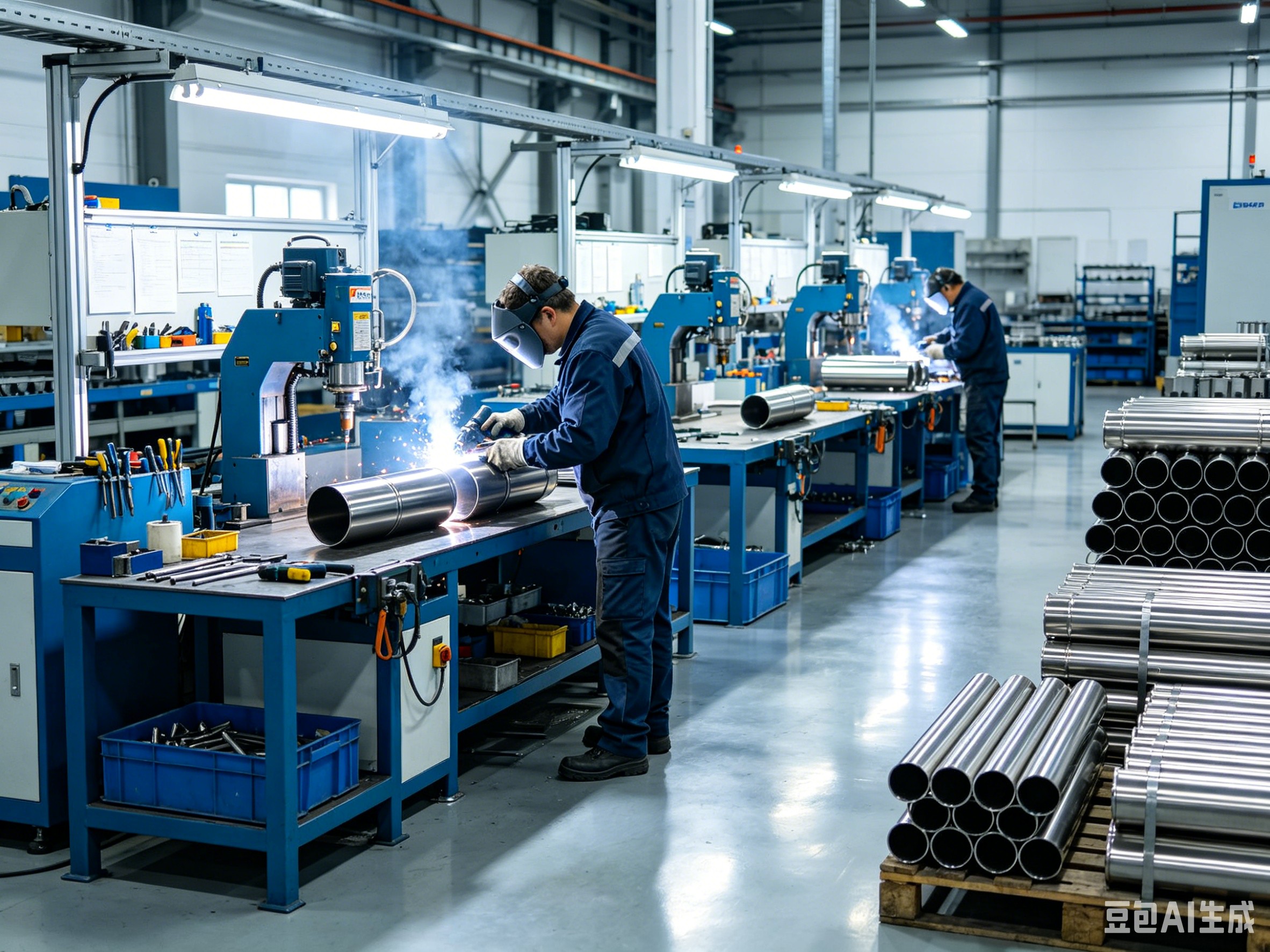
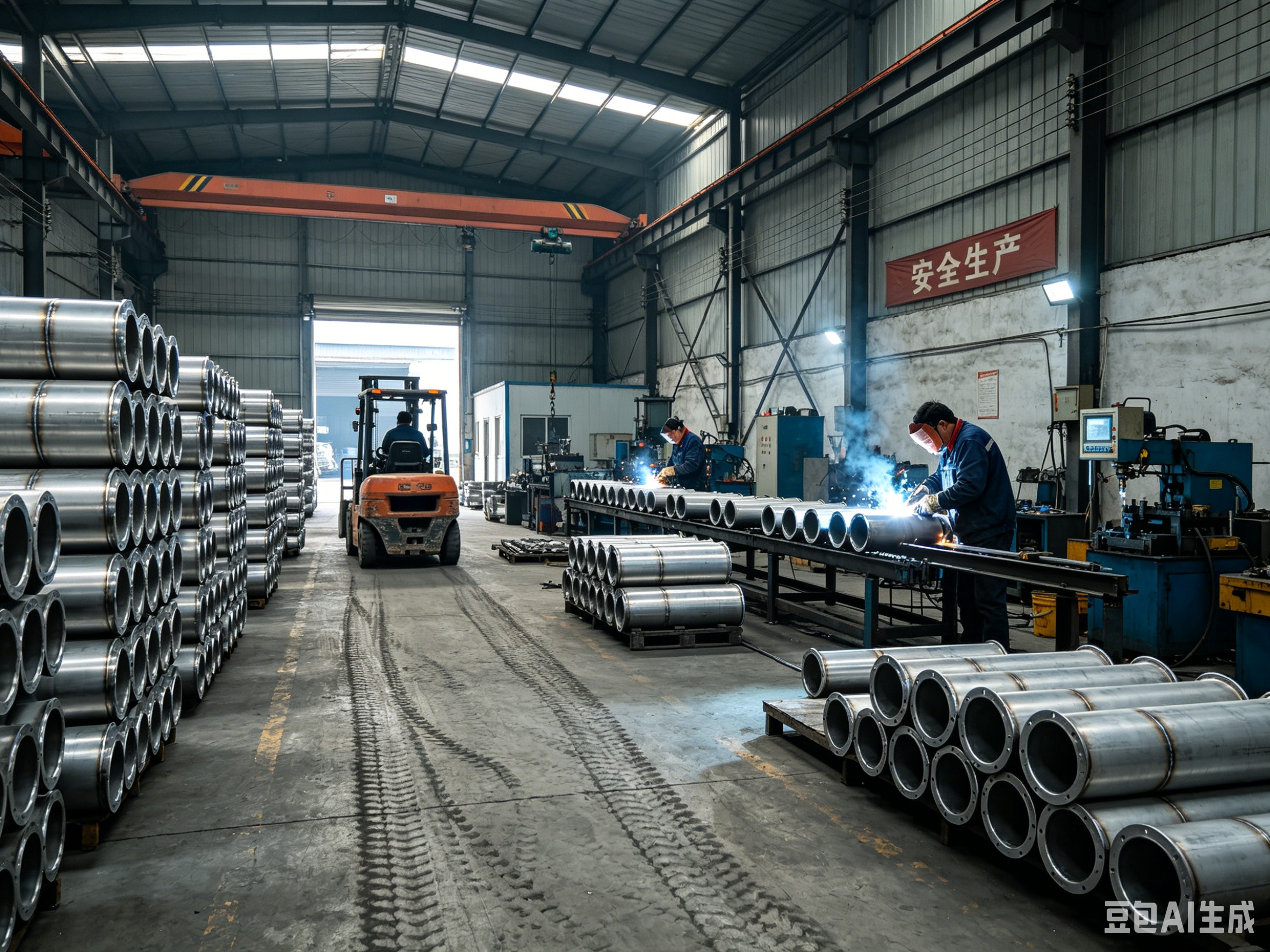
Shandong Obert Machinery Technology Co., Ltd. manufactures mufflers and exhaust system-related products for different equipment applications, including generator sets, automotive systems, motorcycles, construction machinery, and engineering vehicles. The company provides OEM and ODM services to support project-specific product requirements.
Whether you are sourcing standard generator exhaust mufflers or developing a customized solution for new equipment, clear technical communication is the foundation of a successful order.
Contact Shandong Obert Machinery Technology Co., Ltd. through obertmachinery.com to discuss your generator muffler requirements, share your drawings or specifications, and request a quotation for your next project.
Shandong Obert Machinery Technology Co., Ltd. specializes in automotive exhaust systems and related metal parts. We manufacture mufflers, catalytic converters, exhaust pipes, and stamped components, and provide OEM & ODM services for commercial vehicle manufacturers with customized engineering solutions.