OBT
- By obert-2
- Oct 09 2026
How to Select the Right Flexible Exhaust Pipe for Commercial Vehicles and Industrial Equipment
Flexible exhaust pipes are important components in many commercial vehicle and industrial exhaust systems. They help accommodate movement, reduce the transmission of vibration, and support reliable connections between exhaust components. For manufacturers, distributors, and equipment suppliers, selecting the right flexible exhaust pipe is essential for achieving dependable performance and controlling maintenance costs.
However, not every flexible exhaust pipe is suitable for every application. Operating temperature, vibration intensity, installation space, exhaust pressure, and environmental conditions can all influence product selection. Understanding these factors helps buyers choose components that meet their equipment requirements and long-term operating needs.
What Is a Flexible Exhaust Pipe?
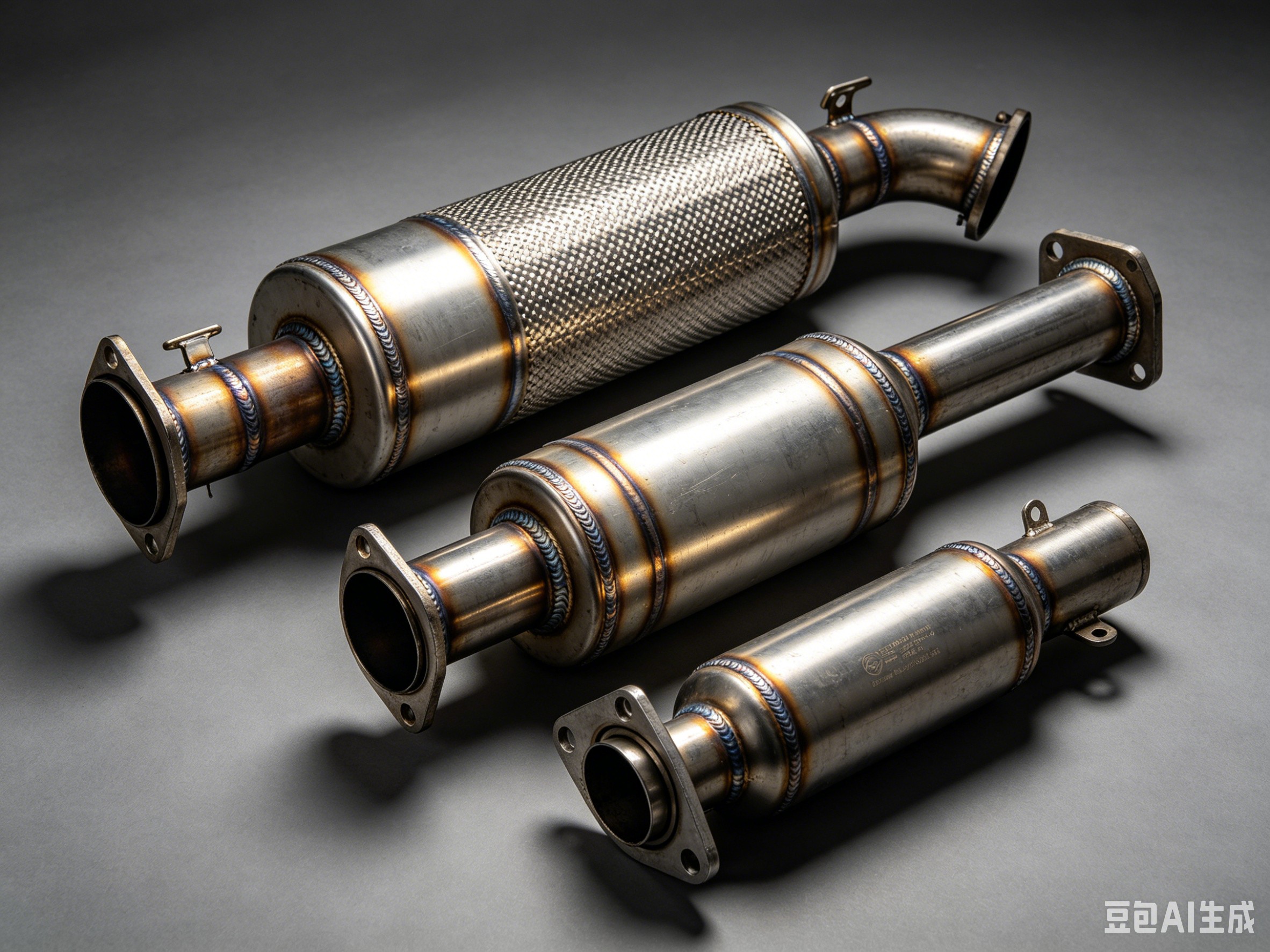
A flexible exhaust pipe is a specially designed section of an exhaust system that accommodates limited movement between connected components. Depending on its construction, it can help reduce stress caused by engine vibration, thermal expansion, and relative movement during equipment operation.
Flexible exhaust pipes are commonly used in trucks, buses, construction machinery, agricultural equipment, generator sets, and other industrial applications. They are particularly useful in systems where rigid pipes alone may transfer excessive vibration or experience stress at connection points.
The exact function and performance of a flexible pipe depend on its design, materials, dimensions, and installation conditions. Buyers should therefore evaluate the complete application rather than choosing a component based only on its appearance or nominal diameter.
- Choose the Right Material for Operating Conditions
Material selection is one of the most important considerations when sourcing flexible exhaust pipes. Exhaust systems operate under changing temperatures and may be exposed to moisture, road salt, dust, chemicals, and other environmental factors.
Stainless steel is widely used in exhaust applications because of its corrosion resistance and ability to withstand demanding operating environments. Different stainless steel grades offer different properties, so buyers should consider the expected temperature range, exposure conditions, and required service life before specifying a material.
Other material options may be suitable for particular applications, depending on the manufacturer's design and performance requirements.
When evaluating materials, consider the following factors:
Operating temperature: The material must be suitable for the expected exhaust gas and surrounding temperatures.
Corrosion resistance: Equipment operating outdoors or in humid environments may require enhanced resistance to corrosion.
Mechanical durability: The flexible section must tolerate the vibration and movement expected during operation.
Maintenance requirements: Material selection can affect inspection frequency, replacement intervals, and long-term ownership costs.
For OEM projects, providing the manufacturer with detailed operating conditions helps ensure that the proposed material is appropriate for the intended application. - Determine the Correct Dimensions and Connection Design
Correct dimensions are essential for a reliable exhaust system installation. Even a well-manufactured flexible exhaust pipe may cause problems if its diameter, length, or connection design does not match the equipment.
Before purchasing, buyers should confirm the required inner diameter, overall length, connection type, and available installation space. They should also consider the direction of the pipe, the position of nearby components, and any restrictions affecting installation.
The connection design must be compatible with the existing exhaust system. Depending on the application, the assembly may use welded ends, flanged connections, or other specified configurations.
For replacement parts, original equipment drawings, part numbers, or physical samples can help reduce measurement errors. For new equipment development, engineering drawings and dimensional specifications provide a clearer basis for manufacturing.
OEM and ODM suppliers can use these requirements to develop flexible exhaust pipes that match specific vehicle models, machinery layouts, or generator set configurations. - Evaluate Vibration Resistance and Flexibility
Commercial vehicles and industrial equipment can generate considerable vibration during operation. Trucks experience changing loads and road conditions, while construction machinery may operate on uneven surfaces or in demanding working environments.
A properly selected flexible exhaust pipe can help accommodate movement and reduce stress transferred to connected exhaust components. However, the component must be designed for the actual movement and vibration expected in service.
Buyers should consider engine vibration characteristics, pipe routing, mounting arrangements, and the location of the flexible section. Excessive bending, twisting, stretching, or compression beyond the product's design limits can contribute to premature failure.
It is also important to distinguish between flexibility and structural strength. A component must accommodate the required movement while maintaining its integrity under normal operating conditions.
For equipment manufacturers, discussing these factors with an experienced exhaust component supplier can help identify a suitable design before mass production begins. - Consider Temperature, Exhaust Pressure, and Installation Environment
Flexible exhaust pipes must operate within the limits of their materials and construction. High temperatures, exhaust pressure fluctuations, and restricted installation spaces can affect component performance.
When selecting a product, buyers should provide information about the engine type, expected operating temperature, exhaust flow requirements, and surrounding heat sources. The manufacturer can then evaluate whether the proposed design is appropriate for the application.
Environmental conditions are equally important. Construction equipment working in dusty environments may require additional attention to external protection and inspection. Vehicles operating in wet or coastal regions may need materials and finishes selected for improved corrosion resistance.
Installation practices also matter. Incorrect alignment or insufficient support can place additional loads on a flexible section. Following the equipment manufacturer's installation instructions helps reduce unnecessary stress and supports reliable operation. - Work with an OEM Flexible Exhaust Pipe Manufacturer
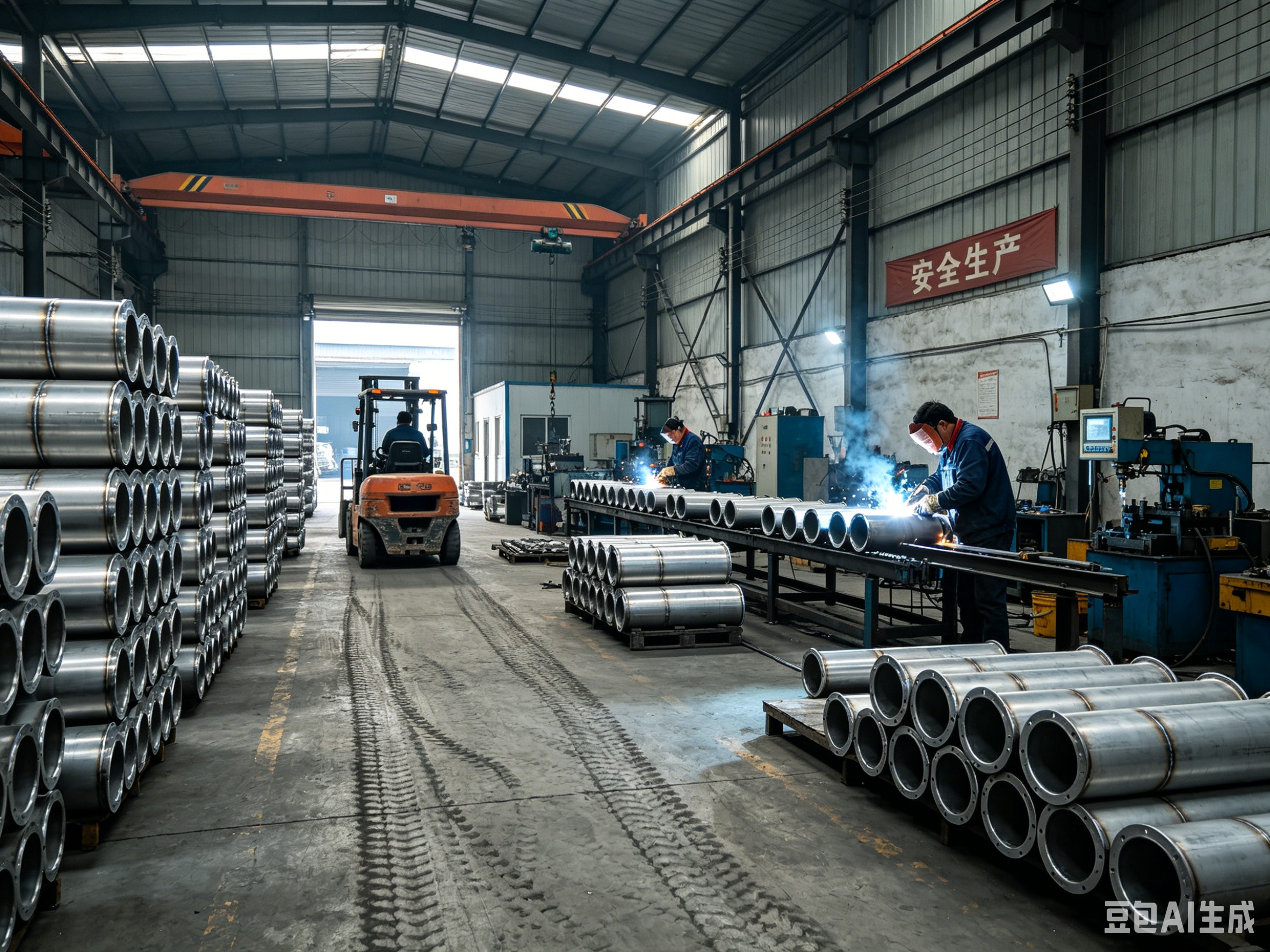
For importers, wholesalers, distributors, and equipment manufacturers, working directly with an OEM flexible exhaust pipe manufacturer can provide greater control over product specifications and supply requirements.
A qualified manufacturing partner should be able to review drawings, confirm dimensions, discuss material options, and clarify connection requirements. Depending on production capabilities, customization may include pipe length, diameter, connection configuration, material selection, and other application-specific details.
Before placing an order, buyers should confirm the following information:
Product drawings and dimensional tolerances.
Material specifications and surface requirements.
Expected operating conditions and application details.
Sample approval and inspection requirements.
Packaging, order quantities, production lead times, and delivery arrangements.
For repeat orders, maintaining approved drawings and product specifications helps improve consistency between production batches. Clear communication during the development stage can also reduce misunderstandings and avoid unnecessary changes after manufacturing begins.
OEM and ODM cooperation is particularly useful when standard components do not meet the dimensional or installation requirements of a specific vehicle or machine. - How to Maintain Flexible Exhaust Pipes
Regular inspection helps identify potential problems before they affect the wider exhaust system. Maintenance procedures should follow the equipment manufacturer's recommendations and account for actual operating conditions.
Inspect flexible sections for visible cracks, corrosion, deformation, loose connections, and signs of exhaust leakage. Pay attention to abnormal noise or changes in vibration that may indicate a problem with the exhaust assembly or its mounting system.
If a flexible exhaust pipe repeatedly fails, replacing the component alone may not address the underlying cause. Excessive engine movement, incorrect installation, inadequate pipe support, or unsuitable operating conditions may need to be investigated.
Damaged components should be assessed and replaced when necessary. Correct installation and appropriate product selection can help improve service reliability and reduce avoidable maintenance expenses.
Conclusion
Selecting the right flexible exhaust pipe requires more than matching a diameter. Material properties, dimensions, connection design, vibration resistance, temperature limits, and installation conditions all influence product suitability.
For commercial vehicle manufacturers, construction machinery producers, generator set suppliers, and aftermarket distributors, working with a manufacturer that understands application-specific requirements can simplify sourcing and support consistent product quality.
Shandong Obert Machinery Technology Co., Ltd. provides OEM and ODM services for exhaust-related products, including flexible exhaust pipes and other exhaust system components. Buyers seeking customized solutions can prepare their drawings, dimensions, material requirements, and application details to support an efficient product evaluation.
Contact our team to discuss your flexible exhaust pipe requirements, request a quotation, or explore a customized exhaust component solution for your equipment.
Shandong Obert Machinery Technology Co., Ltd. specializes in automotive exhaust systems and related metal parts. We manufacture mufflers, catalytic converters, exhaust pipes, and stamped components, and provide OEM & ODM services for commercial vehicle manufacturers with customized engineering solutions.