OBT
- By obert-1
- Sep 29 2026
What Makes a High-Quality Commercial Vehicle Muffler?
Commercial vehicles operate under demanding conditions. Trucks, buses, delivery vehicles, agricultural vehicles, and other heavy-duty equipment may travel long distances, carry heavy loads, and operate for many hours every day. Under these conditions, the exhaust system must withstand high temperatures, vibration, corrosion, pressure changes, and continuous mechanical stress.
The commercial vehicle muffler is one of the most important components in this system. Its main purpose is to reduce exhaust noise, but its design can also influence exhaust flow, durability, installation compatibility, and overall exhaust system performance.
For vehicle manufacturers, wholesalers, distributors, and aftermarket suppliers, understanding the characteristics of a high-quality commercial vehicle muffler can help improve product selection and supplier evaluation.
Effective Exhaust Noise Reduction
The primary function of a muffler is to control the noise generated by the engine and exhaust gases.
When combustion gases leave a diesel engine, they create pressure pulses that can produce significant sound. A commercial vehicle muffler uses internal chambers, perforated tubes, expansion structures, and other acoustic designs to reduce these sound levels.
However, effective noise reduction should be achieved without creating unnecessary exhaust restriction.
A professional muffler manufacturer needs to balance acoustic performance and exhaust flow according to the engine and vehicle requirements.
Suitable Exhaust Flow Design
Exhaust flow is an important consideration when designing a heavy duty muffler.
If the internal structure creates excessive resistance, exhaust back pressure may increase. Excessive restriction can negatively affect the operation of the exhaust system and may increase the thermal load in certain applications.
On the other hand, an excessively open muffler may provide insufficient noise control.
For this reason, manufacturers need to consider factors such as inlet diameter, outlet diameter, internal pipe structure, chamber volume, perforation design, and muffler length.
The correct design depends on the engine type, displacement, power output, exhaust configuration, and vehicle application.
High-Temperature Resistance
Commercial vehicle exhaust systems operate at elevated temperatures.
Trucks and other diesel vehicles may operate for extended periods under heavy loads, causing the exhaust system to experience continuous thermal stress.
A high-quality commercial vehicle muffler must therefore use suitable materials and manufacturing processes for the intended operating temperature.
Material thickness, welding quality, internal structure, and surface treatment can all affect long-term performance.
For OEM customers, manufacturers should evaluate the actual application conditions before recommending a muffler design.
Corrosion Resistance
Commercial vehicles frequently operate outdoors and may encounter rain, road salt, mud, dust, moisture, and other corrosive substances.
Corrosion can gradually weaken exhaust components and reduce their service life.
Stainless steel is commonly used for exhaust applications because of its corrosion resistance and suitability for high-temperature environments.
Depending on the application and target cost, different stainless steel grades and material specifications may be considered.
For vehicles operating in coastal regions, areas with winter road salt, or humid environments, corrosion resistance can be an especially important purchasing consideration.
Strong Welding and Structural Quality
The exhaust system is exposed to constant vibration.
Commercial vehicles can experience additional vibration when driving on uneven roads, carrying heavy loads, or operating in demanding environments.
Weak welds, poorly designed brackets, or inaccurate connections may eventually lead to cracks or other failures.
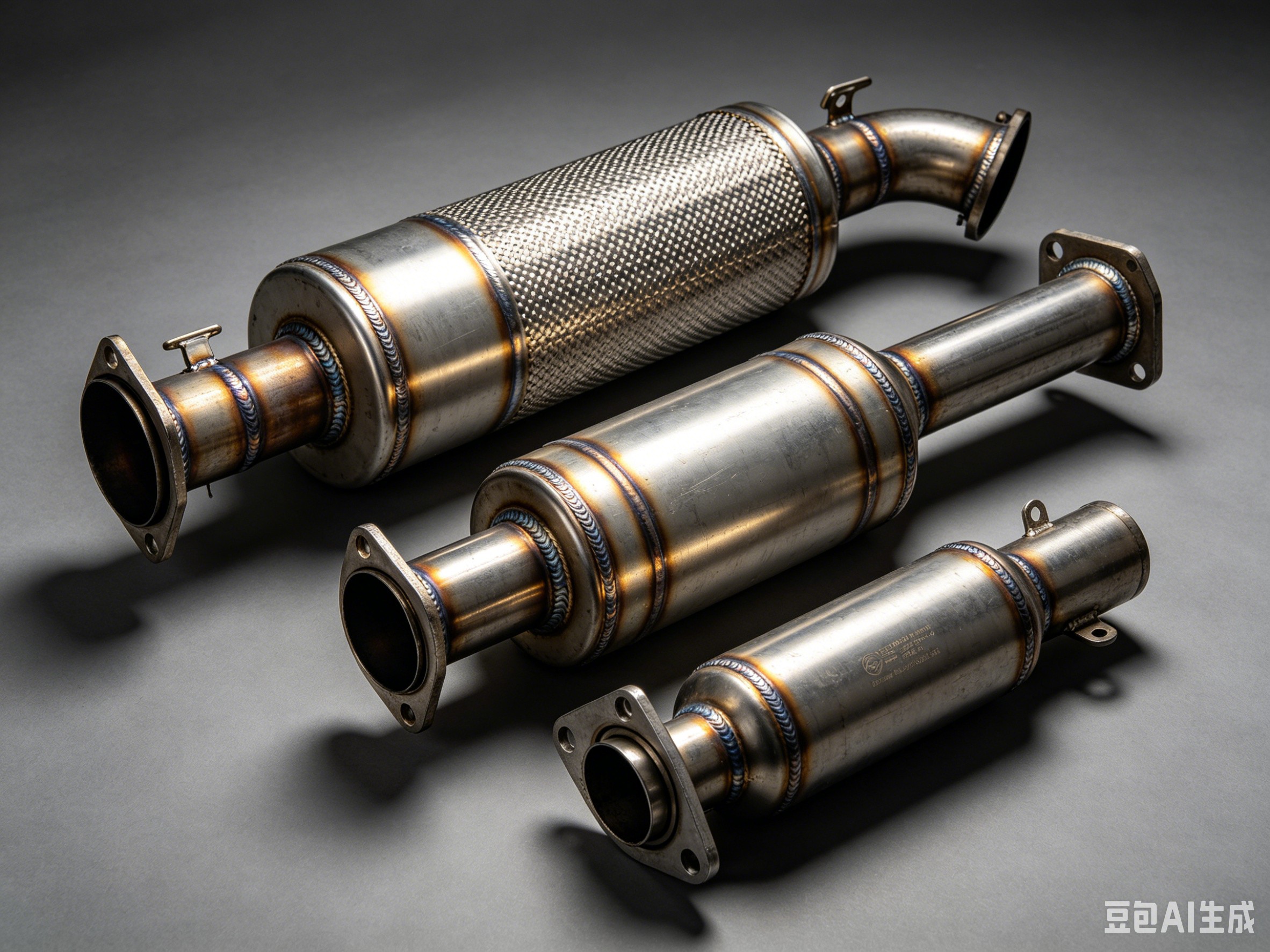
A reliable commercial vehicle muffler should therefore have strong welds, suitable structural reinforcement, and properly designed mounting points.
Manufacturing consistency is also important. Every production batch should maintain stable dimensions and welding quality.
Correct Muffler Size and Installation
A commercial vehicle muffler must fit the vehicle's exhaust system correctly.
Important dimensions may include overall length, body diameter, inlet diameter, outlet diameter, mounting position, and bracket configuration.
Even a high-quality muffler may not be suitable if its dimensions do not match the vehicle.
For OEM projects, technical drawings and accurate specifications are essential.
For distributors and replacement-parts suppliers, providing clear vehicle compatibility information can also help reduce installation problems and product returns.
Muffler Design for Different Applications
Commercial vehicles cover a wide range of applications.
Long-haul trucks may require mufflers designed for extended highway operation. Construction vehicles may experience stronger vibration and dusty environments. Delivery trucks may have different packaging limitations because of their compact vehicle layouts.
Buses may have specific requirements related to noise control and installation space.
Therefore, there is no single commercial vehicle muffler design that is suitable for every application.
Professional manufacturers can develop different muffler structures according to engine specifications, vehicle configuration, operating conditions, and customer requirements.
OEM and ODM Customization
Customization is particularly important for commercial vehicle manufacturers.
OEM customers may require specific dimensions, materials, mounting brackets, inlet and outlet configurations, surface finishes, or internal structures.
An ODM manufacturer may also help customers develop a new muffler based on technical drawings, samples, performance requirements, or vehicle information.
Custom manufacturing allows the exhaust component to be designed around the actual vehicle instead of forcing the vehicle to adapt to a standard component.
This can be useful for truck manufacturers, bus manufacturers, agricultural machinery companies, construction equipment manufacturers, and specialty vehicle producers.
Quality Control During Production
Quality control is an important part of commercial muffler manufacturing.
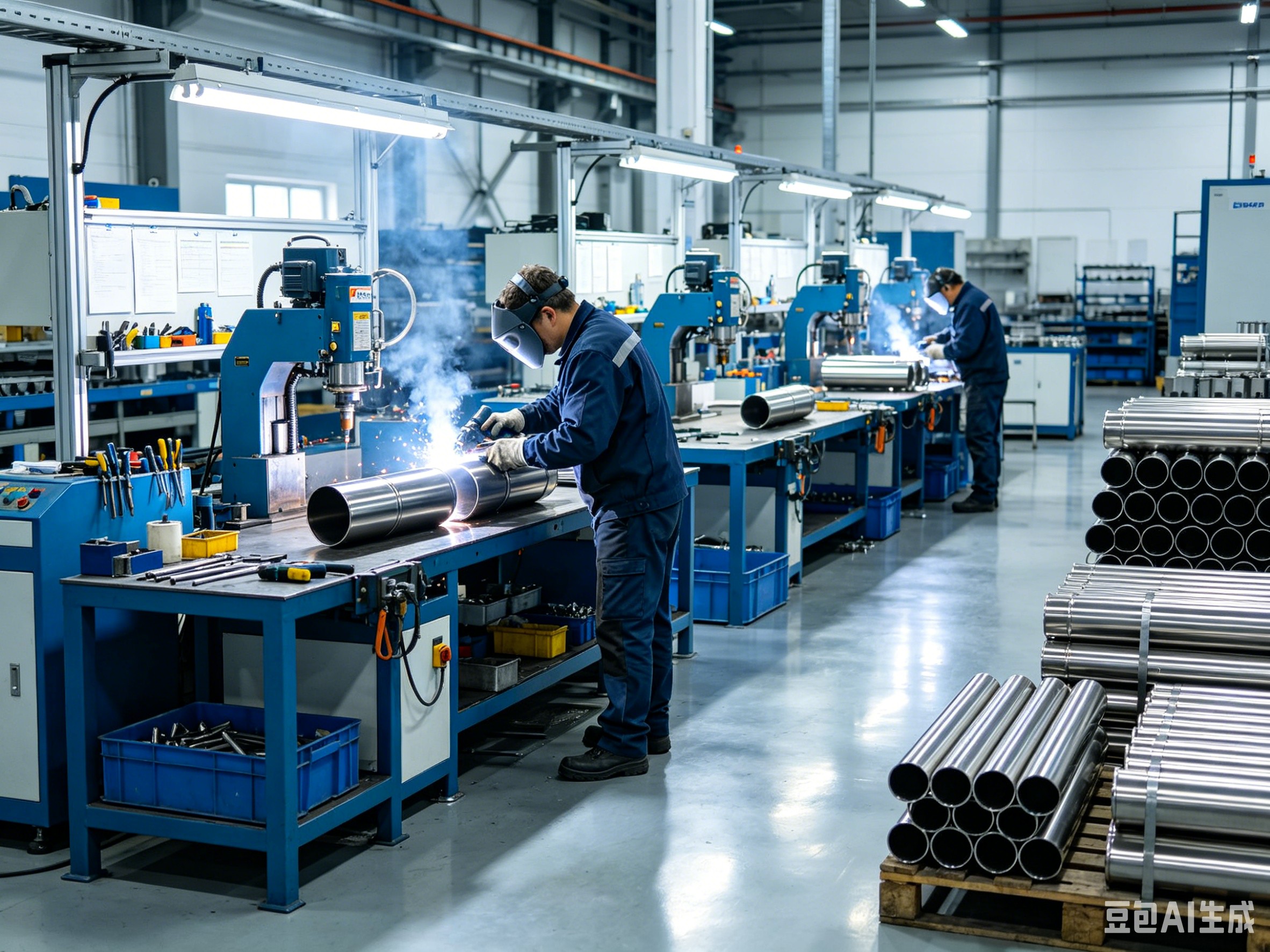
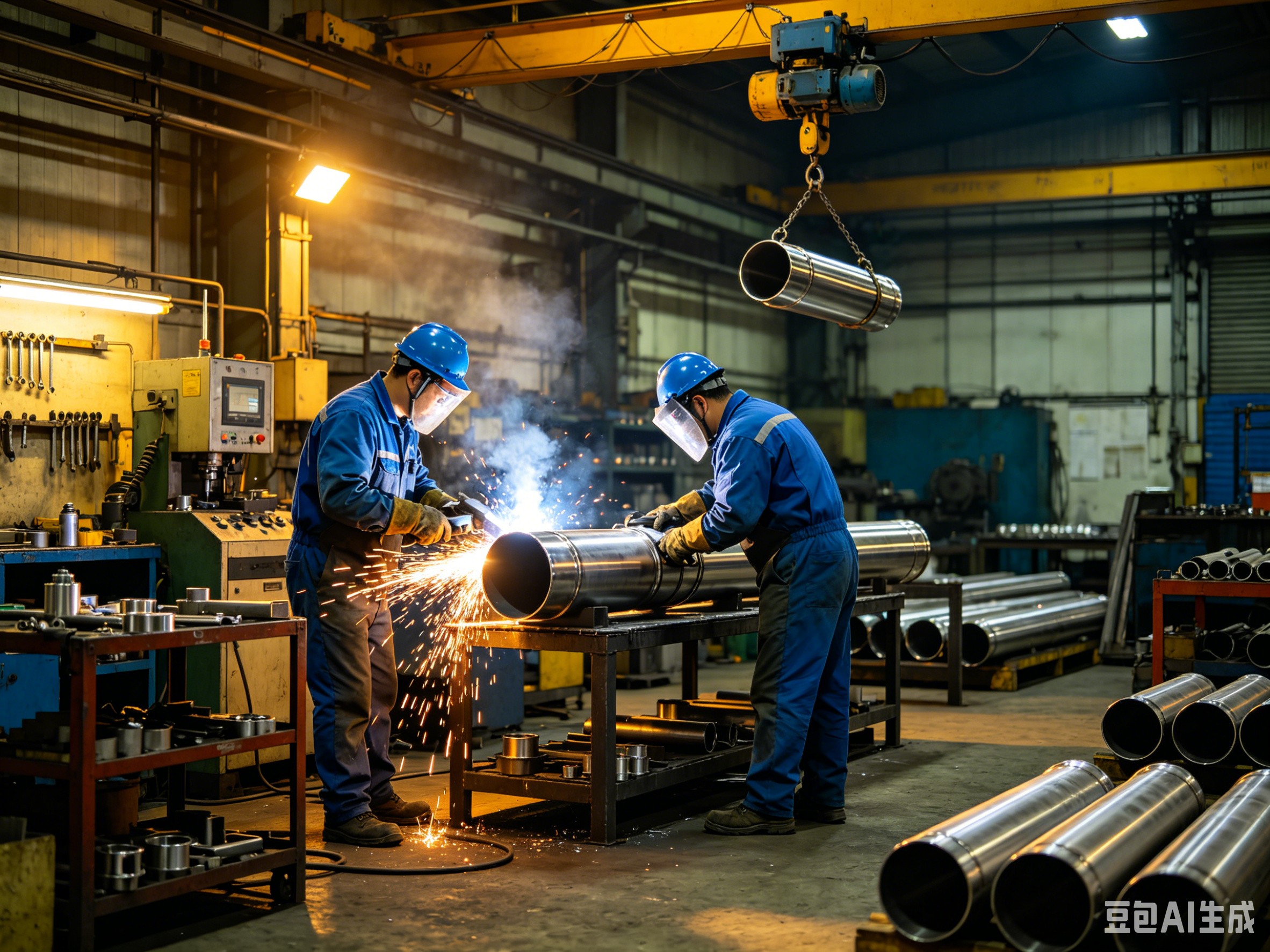
A professional exhaust manufacturer should control material specifications, tube dimensions, forming accuracy, welding quality, assembly accuracy, and final inspection.
Depending on customer requirements, inspection procedures may include dimensional inspection, visual inspection, welding inspection, leak testing, and other quality-control processes.
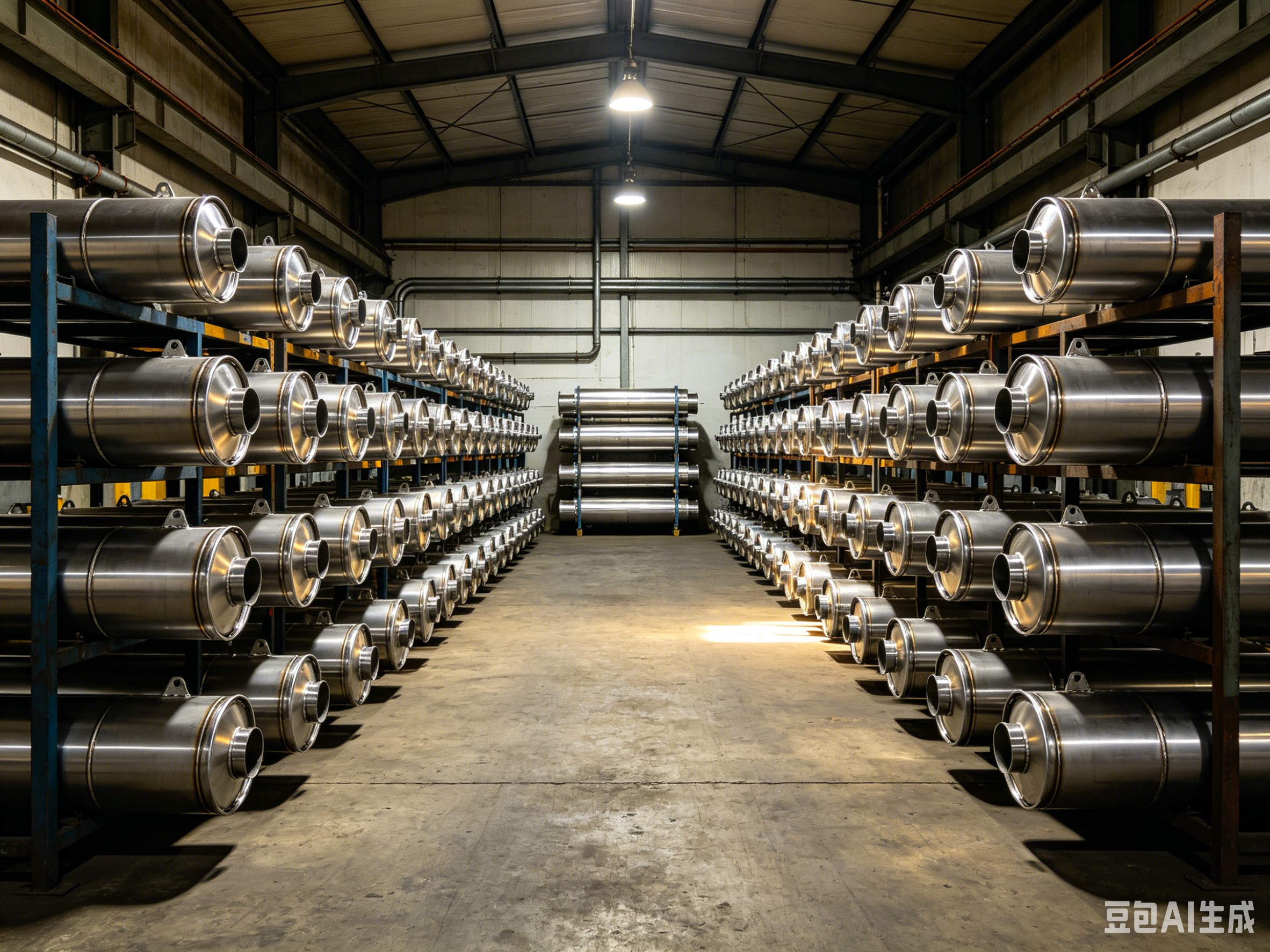
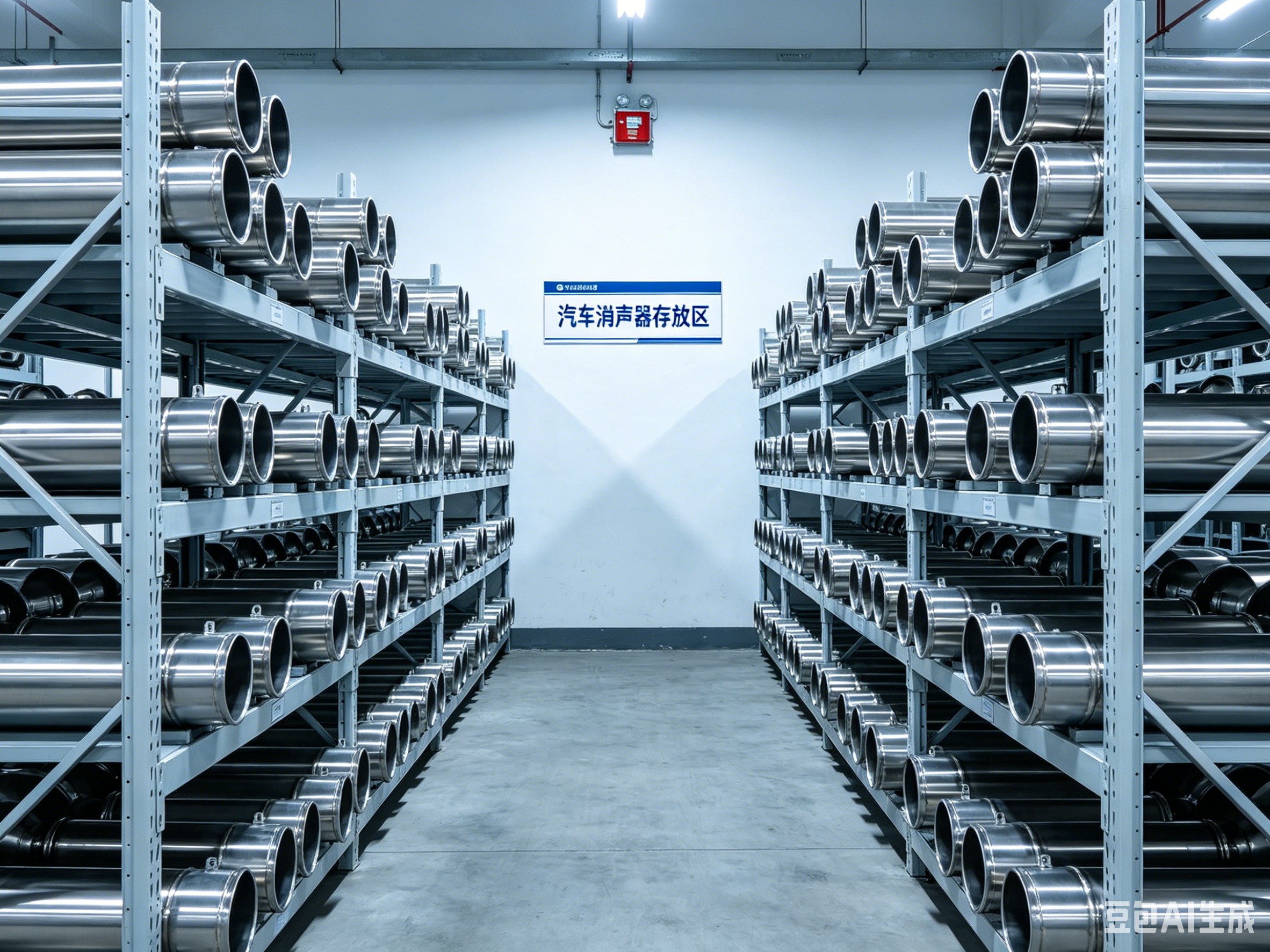
Consistent quality is particularly important for international customers purchasing large quantities.
A stable manufacturing process helps reduce quality variations between different production batches.
Choosing a Commercial Vehicle Muffler Manufacturer
International buyers should look beyond product appearance when selecting an exhaust muffler supplier.
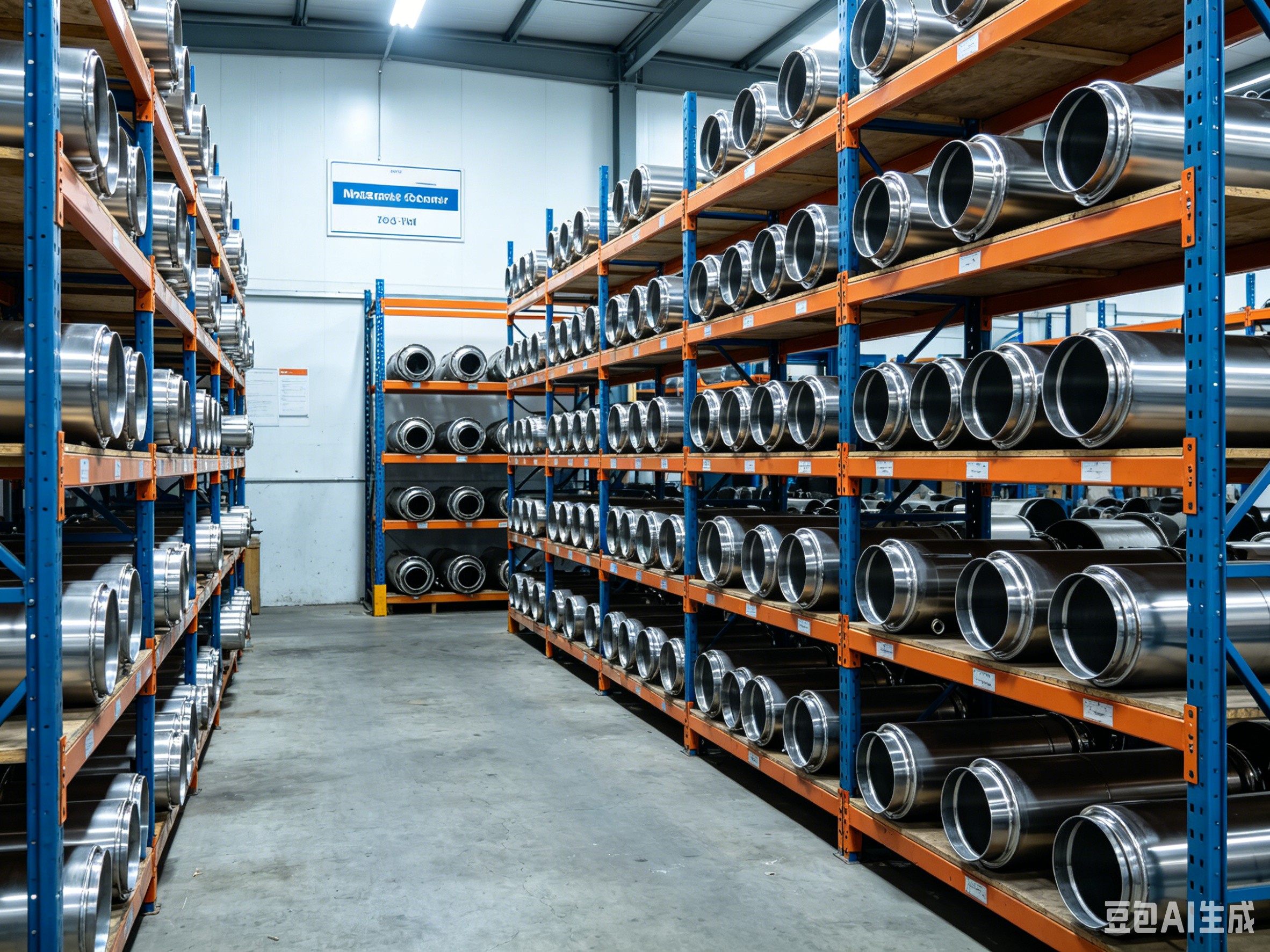
Important factors include manufacturing experience, production capacity, OEM and ODM capability, material control, welding technology, quality inspection, customization capability, packaging, and export experience.
It can also be useful to work with a manufacturer that produces multiple types of exhaust components.
A supplier capable of producing commercial vehicle mufflers, truck mufflers, motorcycle mufflers, generator-set mufflers, construction machinery mufflers, and buffer pipes may be able to provide more flexible product support for international customers.
Why Long-Term Durability Matters
For commercial vehicles, exhaust component replacement can create additional maintenance costs and vehicle downtime.
A durable muffler can help reduce the frequency of replacement and support more reliable vehicle operation.
This is why buyers should consider total service performance rather than focusing only on the initial purchase price.
Material quality, structural design, welding reliability, corrosion resistance, and manufacturing consistency can all influence the long-term value of a commercial vehicle muffler.
Conclusion
A high-quality commercial vehicle muffler needs to provide more than effective noise reduction.
It should also offer suitable exhaust flow, high-temperature resistance, corrosion resistance, structural strength, reliable welding, accurate dimensions, and compatibility with the complete exhaust system.
For OEM and ODM customers, customization can provide better solutions for different truck, bus, agricultural, construction, and specialty vehicle applications.
When selecting an exhaust muffler manufacturer, international buyers should evaluate manufacturing capability, quality control, material selection, customization services, and long-term supply reliability.
With the right design and manufacturing process, commercial vehicle mufflers can provide stable performance in demanding operating environments and become an important part of a reliable heavy-duty exhaust system.
Shandong Obert Machinery Technology Co., Ltd. specializes in automotive exhaust systems and related metal parts. We manufacture mufflers, catalytic converters, exhaust pipes, and stamped components, and provide OEM & ODM services for commercial vehicle manufacturers with customized engineering solutions.