OBT
- By obert-1
- Sep 03 2026
How Exhaust Muffler Design Affects Durability and Performance in Heavy-Duty Vehicles
How Exhaust Muffler Design Affects Durability and Performance in Heavy-Duty Vehicles
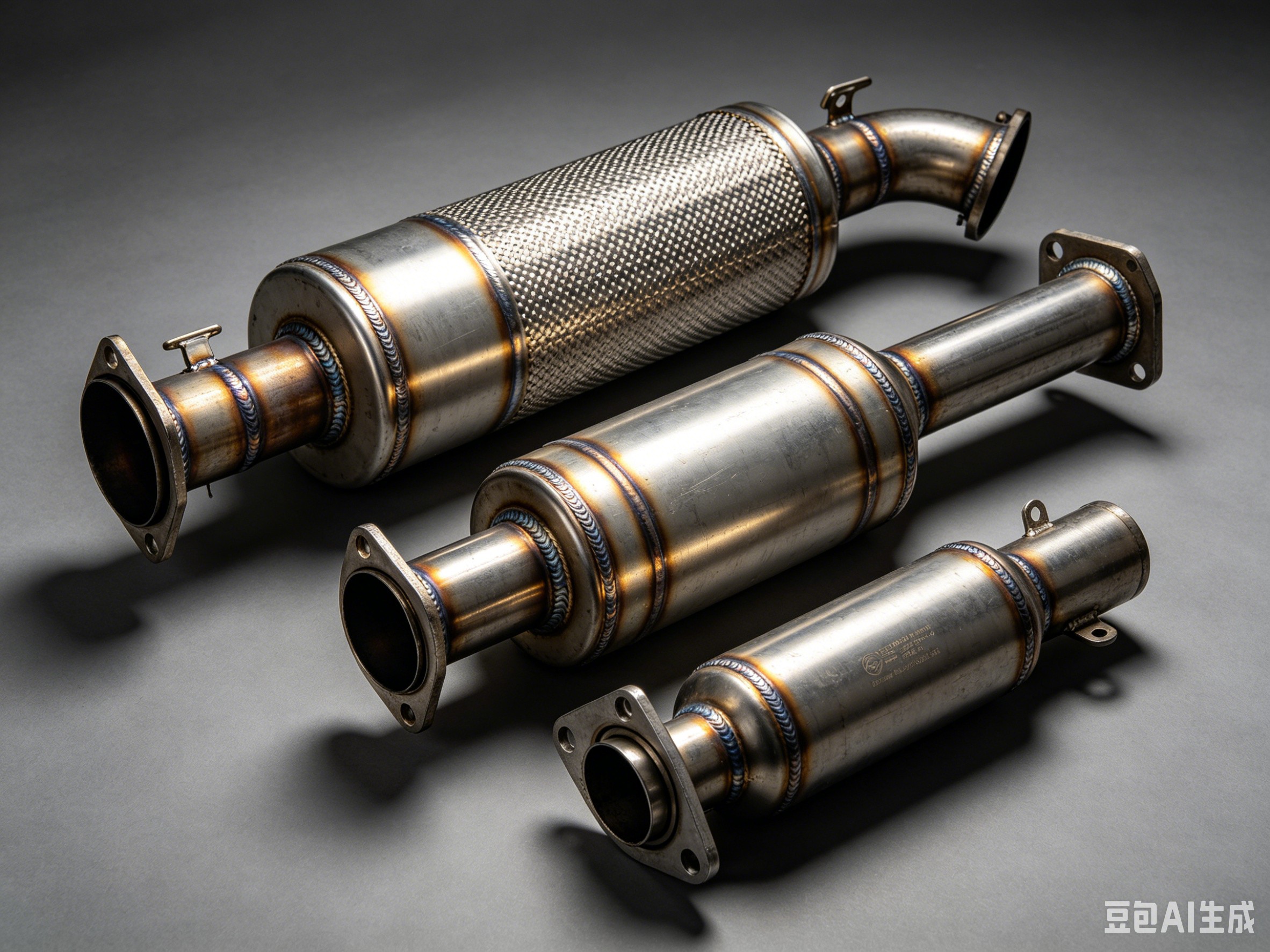
The exhaust muffler is an essential component of modern vehicle exhaust systems. Its most familiar function is reducing engine and exhaust noise, but a well-designed muffler must do much more than control sound. For heavy-duty trucks, buses, construction machinery, agricultural equipment, and diesel-powered industrial vehicles, muffler design can affect exhaust flow, thermal durability, corrosion resistance, installation compatibility, and long-term reliability.
As modern diesel exhaust systems become increasingly sophisticated, manufacturers need to consider the muffler as part of the complete exhaust system. Components such as diesel oxidation catalysts, diesel particulate filters, selective catalytic reduction systems, sensors, and exhaust pipes must work together efficiently.
Why Exhaust Muffler Design Matters
A muffler contains internal structures that control the movement and pressure of exhaust gases. Different designs can use chambers, perforated tubes, baffles, expansion areas, and other structures to reduce sound while allowing exhaust gases to move through the system.
Poor design can create excessive exhaust restriction or insufficient noise attenuation.
For heavy-duty applications, the ideal muffler should achieve a practical balance between noise reduction, exhaust flow, durability, weight, cost, and installation requirements.
This balance becomes especially important for diesel trucks that operate for long periods under high engine loads.
Internal Structure Influences Exhaust Flow
The internal structure of a muffler has a direct influence on how exhaust gases travel through the component.
If exhaust gases encounter excessive resistance, back pressure can increase. For this reason, engineers need to carefully consider tube diameter, chamber configuration, perforation design, and gas flow direction.
A low back pressure muffler does not mean that the muffler should have no internal structure. Instead, the internal design should control sound while maintaining appropriate exhaust flow characteristics.
For truck and diesel applications, the correct design should be selected according to engine displacement, exhaust volume, pipe diameter, turbocharger configuration, and overall exhaust system architecture.
Noise Reduction Requires Careful Engineering
Reducing exhaust noise remains one of the primary functions of an automotive muffler.
Diesel engines can produce significant combustion and exhaust noise, particularly under high load. A properly engineered muffler can reduce unwanted sound while maintaining suitable exhaust flow.
Different applications may require different acoustic performance.
A passenger vehicle may prioritize quiet operation, while a heavy-duty truck may require a balance between noise reduction, durability, exhaust flow, and packaging space.
This is why there is no single muffler design that is suitable for every vehicle.
Material Selection Determines Durability
Material selection is another major factor in exhaust muffler performance.
Mufflers operate in an environment characterized by high temperatures, vibration, moisture, condensation, road dirt, and sometimes road salt.
Stainless steel is widely used for exhaust applications because of its corrosion resistance and durability. Depending on the application, different stainless steel grades and material thicknesses may be selected.
However, material alone does not determine product quality.
Welding quality, forming accuracy, mounting design, wall thickness, internal structure, and manufacturing consistency also have a major influence on service life.
Thermal Cycling Can Affect Exhaust Components
Heavy-duty exhaust systems experience repeated heating and cooling cycles.
A truck may operate at relatively low exhaust temperatures during certain driving conditions and then experience much higher temperatures during heavy acceleration, climbing, towing, or aftertreatment operation.
Repeated thermal expansion and contraction can place stress on the muffler body, welds, brackets, and connecting pipes.
Modern aftertreatment systems make thermal management even more important. Current diesel technologies use coordinated engine controls and aftertreatment systems to maintain effective operating temperatures for emissions control.
For muffler manufacturers, this means product design should consider the actual temperature range and operating conditions rather than focusing only on external dimensions.
Heavy-Duty Trucks Require Strong Construction
Heavy-duty trucks can accumulate hundreds of thousands of miles and operate under demanding conditions.
Their exhaust systems may be exposed to:
High engine loads
Continuous vibration
Road impacts
Water and mud
Dust and dirt
Temperature changes
Corrosive road salt
Long operating hours
A heavy duty muffler therefore needs reliable welds, suitable material thickness, strong mounting brackets, and a robust internal structure.
For fleet operators and distributors, durability can reduce replacement frequency and help minimize vehicle downtime.
Modern Exhaust Systems Are More Integrated
The exhaust muffler is increasingly being designed as part of a complete emissions and exhaust system.
Modern diesel applications can include DOC, DPF, SCR, NOx sensors, temperature sensors, and electronic controls. Current industry developments continue to focus on integrating these technologies while improving emissions performance and maintaining vehicle efficiency.
Recent development work on heavy-duty systems also demonstrates how manufacturers are optimizing catalyst placement, exhaust temperature, DPF performance, and system packaging together.
Therefore, muffler dimensions and internal design may need to be coordinated with other exhaust components.
Custom Muffler Manufacturing Is Important
International vehicle markets contain many different truck models, engine configurations, and exhaust layouts.
A standard muffler may not always provide the required fit or performance.
Custom muffler manufacturing allows buyers to specify:
Body dimensions
Inlet diameter
Outlet diameter
Inlet and outlet positions
Mounting brackets
Internal structure
Material
Wall thickness
Surface treatment
Manufacturers can often develop products according to customer drawings, physical samples, technical specifications, or vehicle information.
This is particularly useful for OEM customers, wholesalers, distributors, and aftermarket brands.
Quality Control Should Cover More Than Appearance
A professional muffler manufacturer should have a complete quality control process.
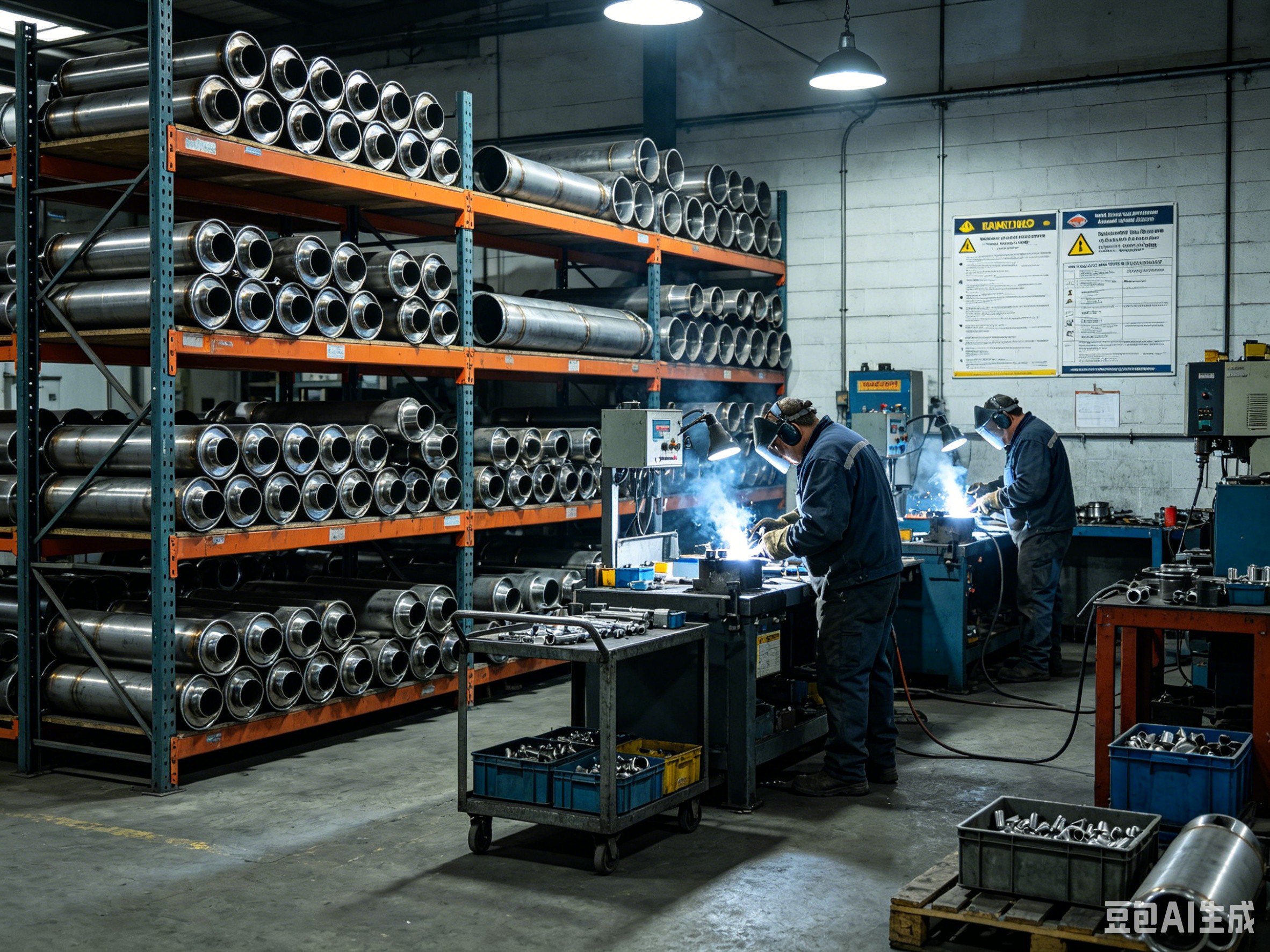
Important inspection points can include raw material verification, dimensional accuracy, welding quality, pipe alignment, mounting bracket position, surface quality, leakage testing, and packaging.
For international buyers, consistent production is especially important.
A supplier may produce an excellent sample, but if production consistency is poor, large-volume orders can still result in installation problems and customer complaints.
Therefore, buyers should evaluate the manufacturer's production capability and quality management system before establishing a long-term supply relationship.
Choosing the Right Muffler Manufacturer
When sourcing exhaust mufflers internationally, buyers should evaluate the supplier from several perspectives.
Product quality is important, but other factors also matter, including:
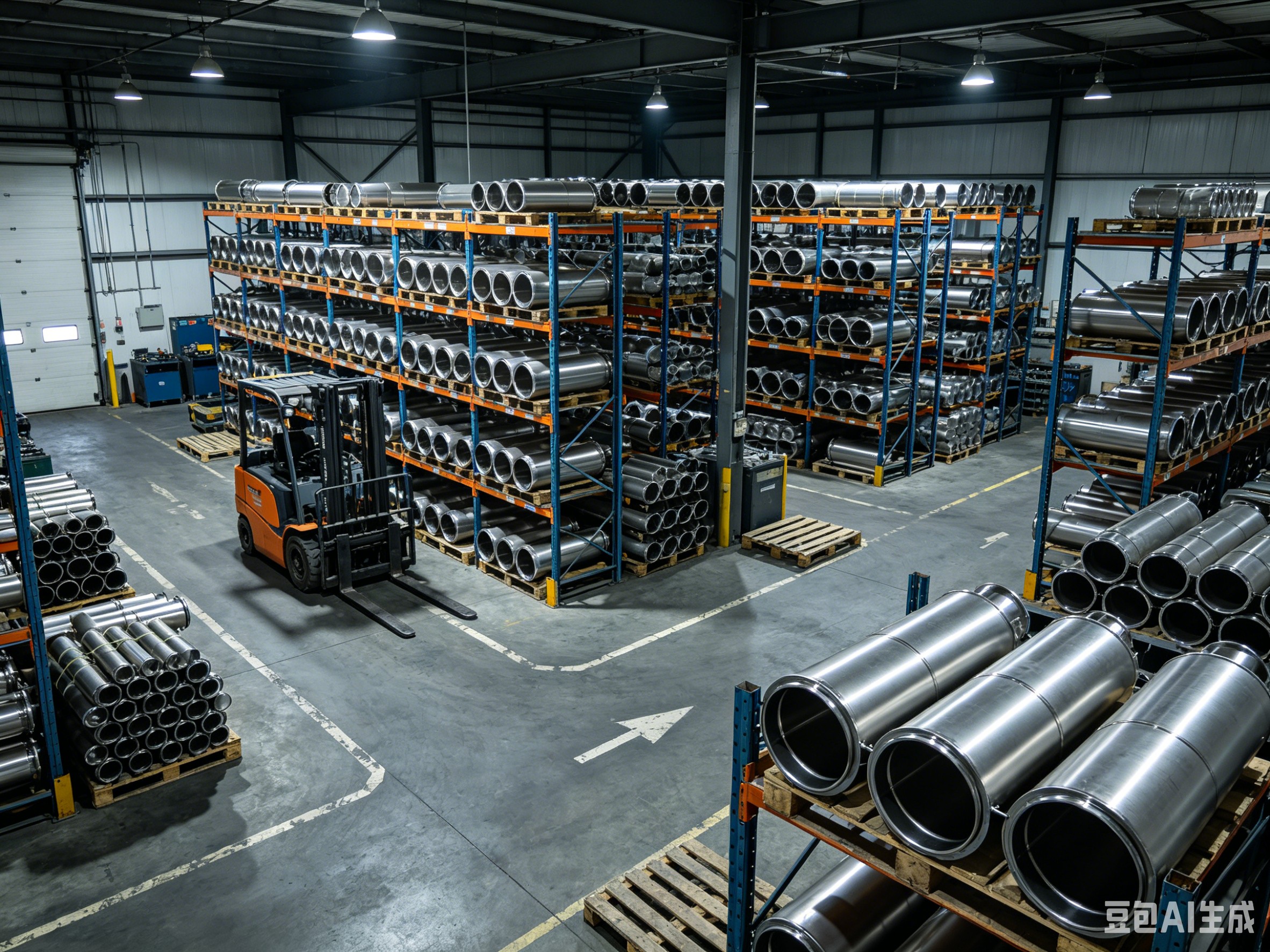
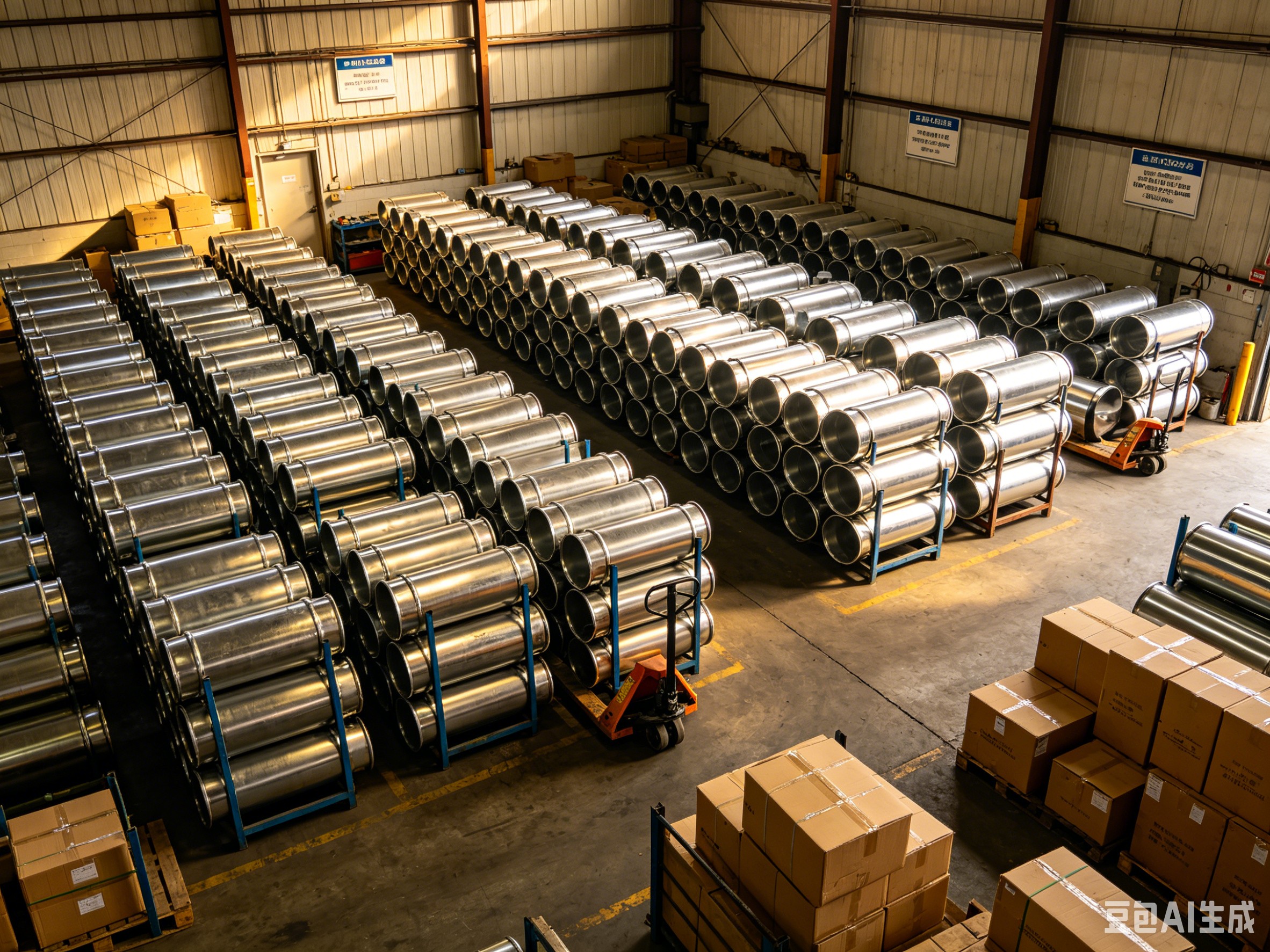
Manufacturing capacity
Engineering capability
Customization capability
Material control
Welding technology
Quality inspection
Production lead time
Packaging
Export experience
After-sales service
A manufacturer capable of producing truck mufflers, diesel mufflers, stainless steel mufflers, and customized exhaust components can provide greater flexibility for distributors serving different markets.
Future Opportunities in the Exhaust Market
The global exhaust system market continues to include mufflers, catalytic converters, sensors, particulate filters, and other components. Market research published in 2026 continues to identify emissions regulations and advanced aftertreatment technologies as important factors shaping exhaust system development.
At the same time, the heavy-duty aftermarket remains an important market because commercial vehicles need regular maintenance and replacement parts.
This creates opportunities for manufacturers that can supply durable and application-specific exhaust components.
Conclusion
Exhaust muffler design is about much more than reducing noise. For heavy-duty vehicles, the right design needs to balance acoustic performance, exhaust flow, thermal durability, corrosion resistance, structural strength, and installation compatibility.
As diesel exhaust systems become more integrated with DOC, DPF, SCR, sensors, and advanced thermal management technologies, muffler manufacturers need to consider the entire exhaust system when developing products.
For international distributors, OEM customers, and aftermarket suppliers, choosing an experienced exhaust muffler manufacturer can provide important advantages in product customization, quality consistency, and long-term supply capability.
High-quality heavy duty mufflers, diesel truck mufflers, stainless steel mufflers, and custom exhaust solutions will continue to serve important applications across trucks, commercial vehicles, construction machinery, agricultural equipment, and other heavy-duty markets.
Shandong Obert Machinery Technology Co., Ltd. specializes in automotive exhaust systems and related metal parts. We manufacture mufflers, catalytic converters, exhaust pipes, and stamped components, and provide OEM & ODM services for commercial vehicle manufacturers with customized engineering solutions.