OBT
- By obert-1
- Aug 13 2026
Stainless Steel vs Aluminized Steel Mufflers: Which Material Is Better?
Material selection is one of the most important considerations when manufacturing and purchasing automotive mufflers. The material affects corrosion resistance, durability, weight, manufacturing cost, appearance, and service life.
Among the most common materials used for automotive exhaust components are stainless steel and aluminized steel. Both materials can be suitable for different applications, but they have different characteristics.
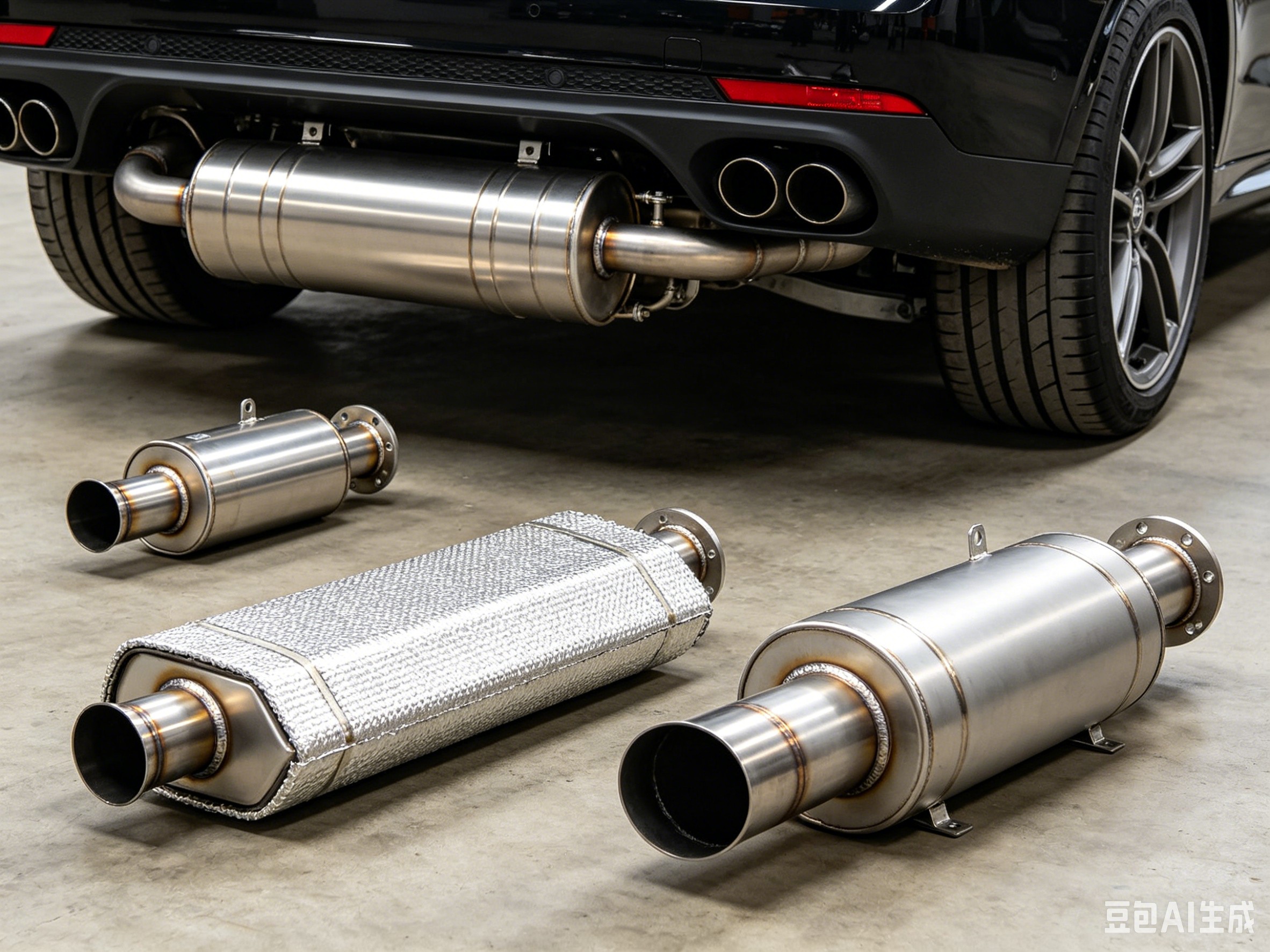
Stainless Steel Mufflers
Stainless steel is widely used in automotive exhaust systems because it provides good corrosion resistance and high-temperature performance.Automotive mufflers are exposed to heat, moisture, exhaust gases, road contaminants, and repeated heating and cooling cycles. These conditions can create a demanding environment for exhaust components.
Research on automotive muffler materials has shown that condensation inside mufflers can contribute to corrosion. Stainless steel grades such as 409, 439, and 441 have been investigated for automotive muffler applications because of their corrosion and oxidation resistance.
For vehicles that require longer service life, stainless steel can be an attractive option.
Aluminized Steel Mufflers
Aluminized steel is another common material for automotive exhaust components. It combines a steel substrate with an aluminum-based protective coating.One of its major advantages is cost efficiency. For customers who require competitive pricing for standard replacement parts, aluminized steel can be an economical choice.
However, the actual service life depends on material thickness, coating quality, operating environment, temperature, manufacturing quality, and installation conditions.
Corrosion Resistance
Corrosion is a major concern for exhaust components.
Inside a muffler, exhaust gases can cool and produce condensation. This moisture can remain inside the component and contribute to internal corrosion.
Scientific research has identified exhaust gas condensation as an important cause of internal muffler corrosion.
External corrosion can also occur due to rain, humidity, road salt, dirt, and other environmental factors.Stainless steel generally provides stronger corrosion resistance than conventional steel, although not all stainless-steel grades have identical corrosion performance.
Temperature Resistance
Automotive exhaust components experience repeated temperature changes.
After starting a cold engine, the exhaust system heats up rapidly. After the vehicle is switched off, the components cool down again.
This repeated thermal cycling can influence material performance over time. Research into automotive exhaust materials has evaluated stainless steels under cyclic oxidation conditions relevant to muffler applications.
Manufacturers therefore need to select materials according to the intended operating temperature and application.Cost Considerations
Cost is an important factor for automotive parts distributors.
Stainless steel mufflers generally have a higher material cost than aluminized steel products. However, a higher initial purchase price may be justified when the customer prioritizes corrosion resistance and long service life.
For high-volume replacement markets, aluminized steel can provide an attractive balance between price and performance.
Therefore, there is no single material that is perfect for every vehicle or market.
Manufacturing Quality
Material is only one part of muffler quality.
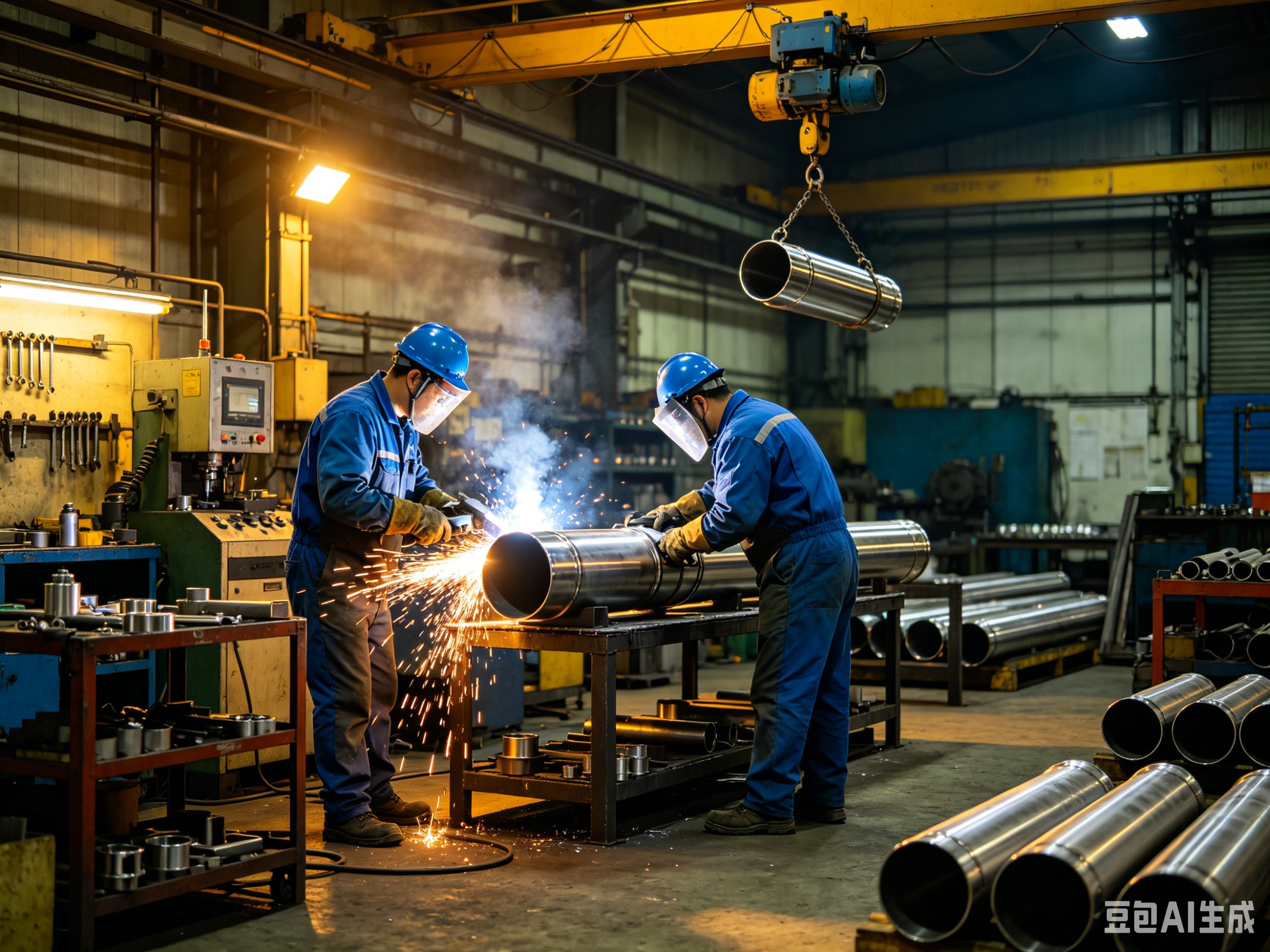
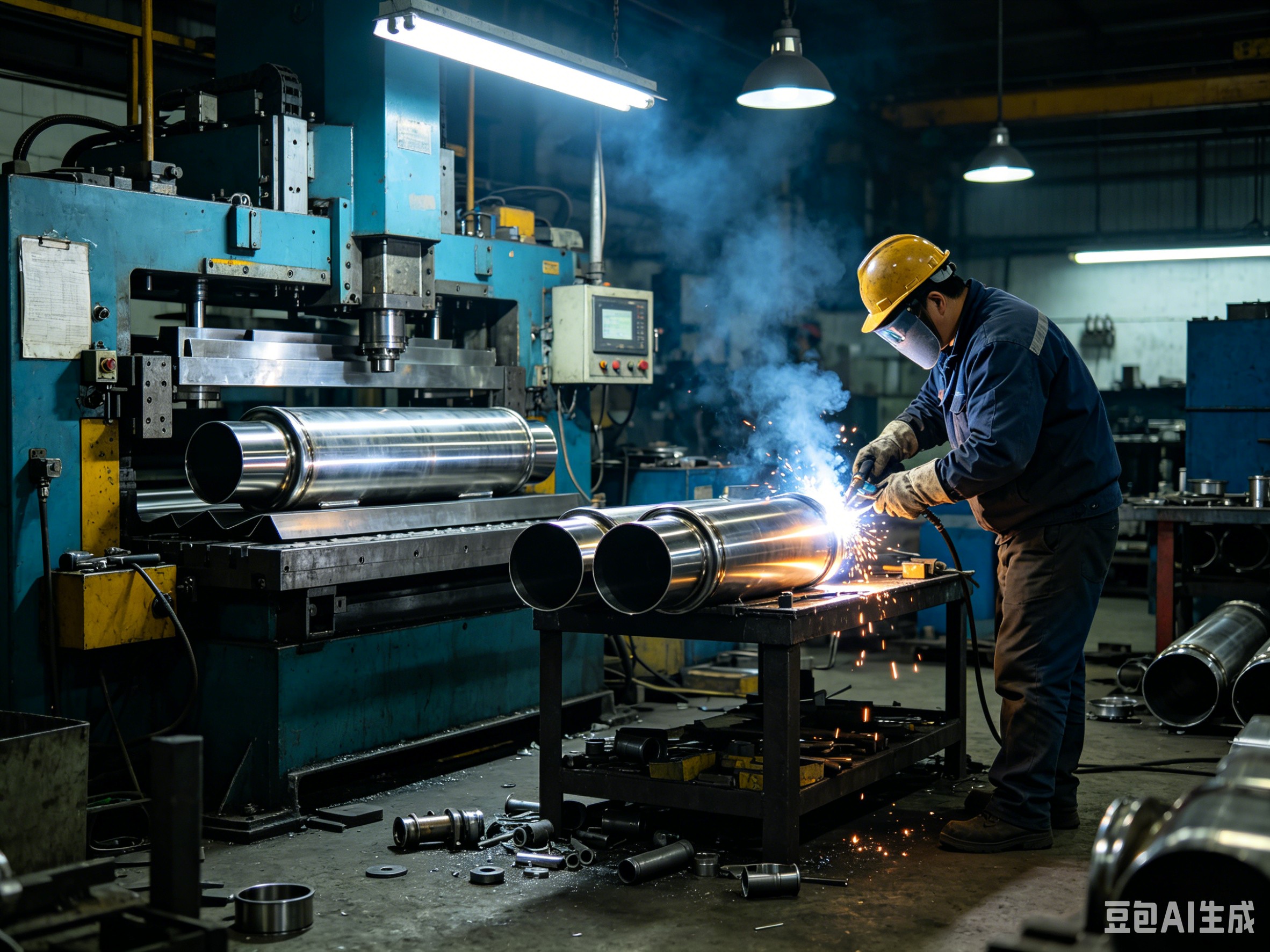
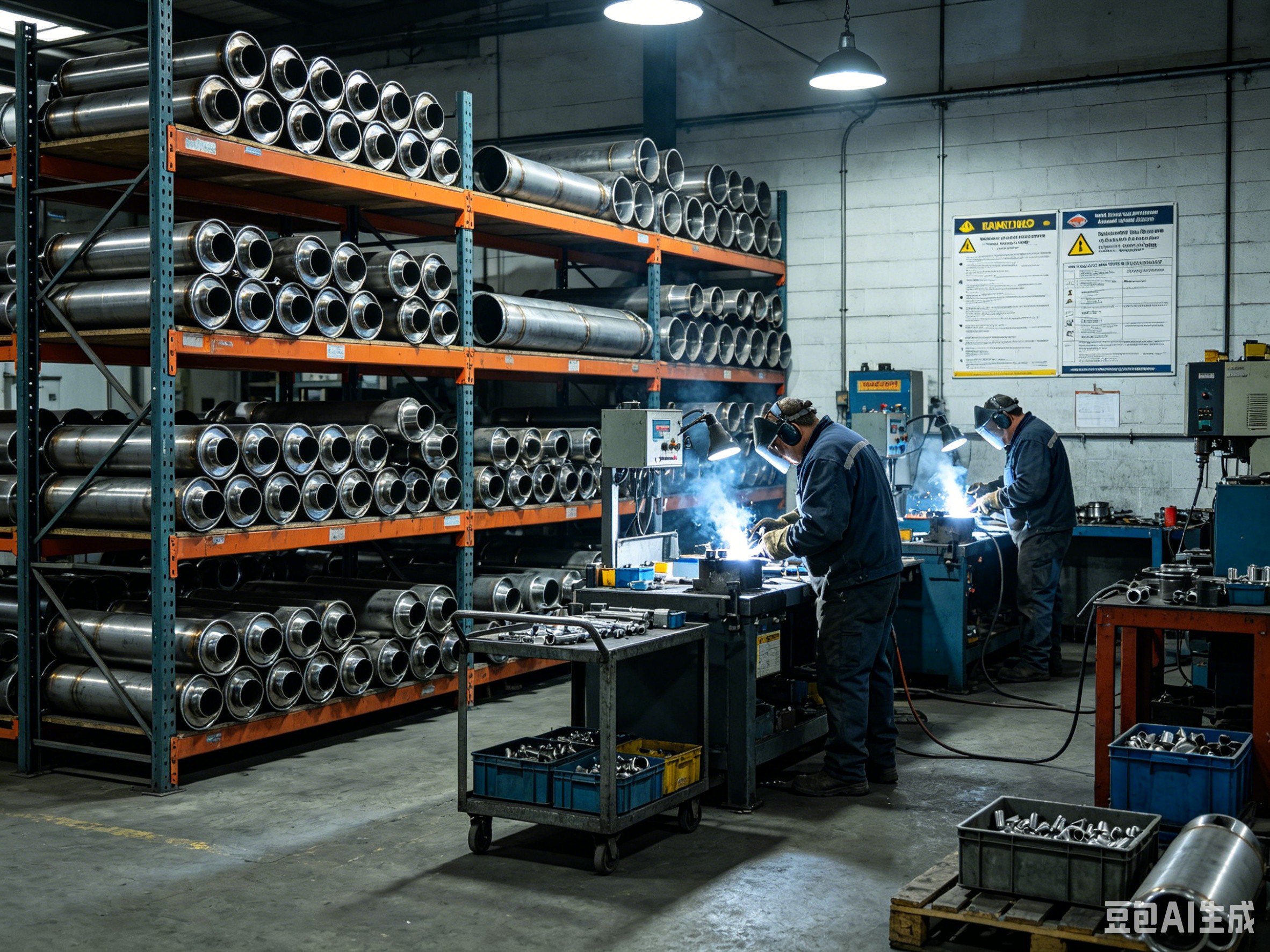
Manufacturing processes also influence durability. Proper welding, forming, internal component installation, pipe alignment, and dimensional control are essential.A high-quality material cannot compensate for poor welding or inaccurate manufacturing.
Professional muffler manufacturers should establish quality control procedures covering raw materials, welding, dimensions, appearance, leakage, and final inspection.
Which Material Should Buyers Choose?
The best choice depends on the application.
Stainless steel is particularly suitable when customers prioritize:
Corrosion resistance
Long service life
Premium product positioning
Coastal or humid environments
Higher durability requirementsAluminized steel can be suitable when customers prioritize:
Competitive pricing
High-volume replacement
Standard applications
Cost-effective exhaust components
For international distributors, offering both options can help cover different market requirements.
Conclusion
Stainless steel and aluminized steel both have important roles in automotive muffler manufacturing.
Stainless steel offers strong corrosion resistance and durability, while aluminized steel can provide a cost-effective solution for many replacement applications.
The ideal choice should consider vehicle type, climate, driving conditions, expected service life, target price, and customer requirements.For importers and wholesalers, selecting a reliable muffler manufacturer is equally important. Consistent materials, accurate dimensions, reliable welding, and strict quality control can help ensure stable product performance.
Shandong Obert Machinery Technology Co., Ltd. specializes in automotive exhaust systems and related metal parts. We manufacture mufflers, catalytic converters, exhaust pipes, and stamped components, and provide OEM & ODM services for commercial vehicle manufacturers with customized engineering solutions.